
When change fails, organizational change management (ocm) makes the difference



In a world of constant change, organizational change management has become an important component of every business plan and strategy.
Today’s business environment pushes companies to change constantly if they want to stay competitive. Global markets, new regulations, shifting customer expectations, and fast-moving technology force businesses to respond in order to survive. Standing still is rarely an option.
📚Check out our article on Why Employee Communications are Better Internal Comms.
To keep up with new business trends, technologies, and processes, employers need to rethink how they introduce and manage change. This means moving beyond one-off announcements and focusing on how people experience change day to day. Clear communication, involvement, and support all play a role here, especially when applying ocm organizational change management in practice.
In this blog post, we will cover the pillars of successful organizational change management. These pillars help organisations plan change more deliberately, reduce resistance, and support employees throughout the transition, instead of reacting when problems already appear.
Make change management painless with the right IC tools
What is Organizational Change Management?
Organizational change is the process of transitioning from a company’s current state to some desired future state. This could involve new technologies, structures, processes, or ways of working. Managing organizational change means planning and implementing these shifts in a way that minimizes employee resistance and limits disruption, while still achieving the intended outcomes.
Effective ocm organizational change management focuses as much on people as it does on processes. It looks at how change is communicated, how employees are supported, and how leaders guide teams through uncertainty. Without this focus, even well‑designed initiatives can lose momentum or fail to deliver value.
One of the most common reasons organizational change efforts struggle is how change is experienced by employees. Resistance often grows when people feel uninformed, excluded, or unsure about what the change means for them. Poor internal communication can amplify these concerns, leading to confusion, lower trust, and slower adoption. This is why clear, consistent communication is a core part of successful organizational change management.
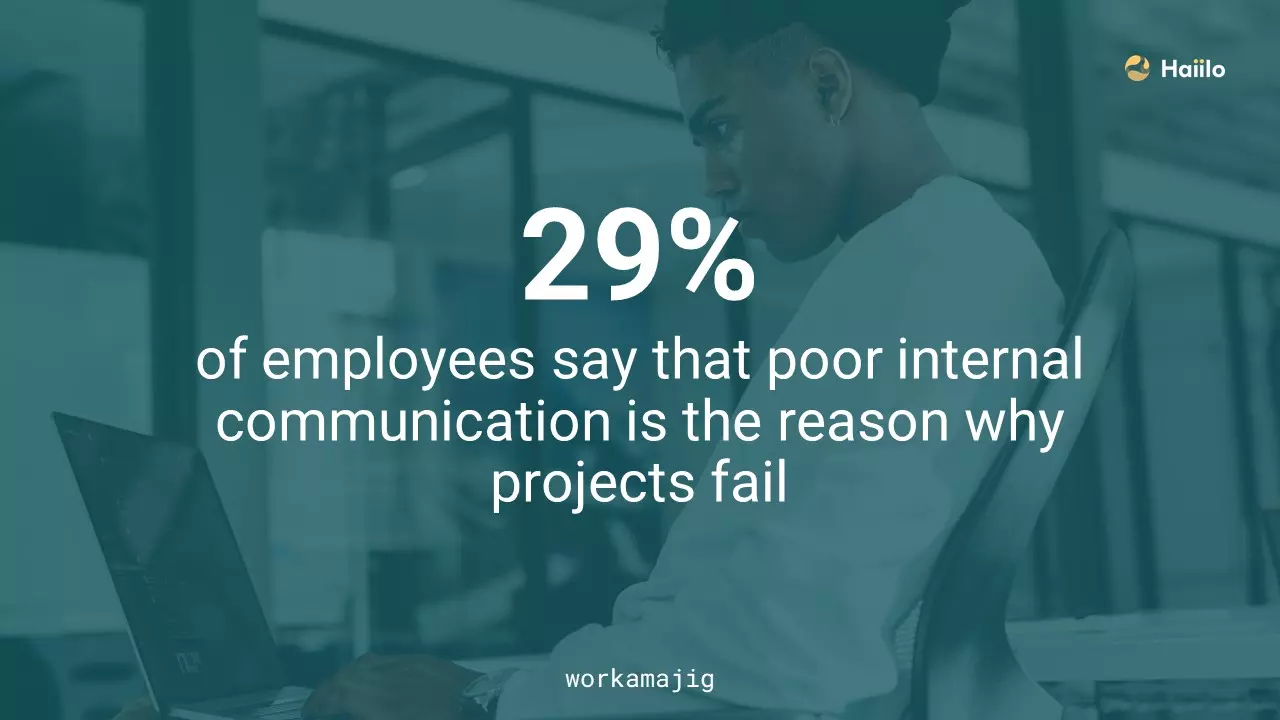
Therefore, proper employee education, as well as open and honest communication, are the key ingredients in minimizing negative employee reactions. Employees need time and context to understand what is changing and why. Before the change is being implemented, employees should be informed about both the nature of the change and the logic behind it, including how it affects their roles and daily work.
Clear explanations help reduce uncertainty and rumours. Education helps people build the skills and confidence they need to adapt. Together, these elements form a practical foundation for effective ocm organizational change management, where people feel prepared instead of surprised.
Some of the terms related to organizational change management include:
- Business transformation
- Change management
- Organizational transformation
- Digital transformation
- Organizational development
- Organizational innovation
- Business innovation
- Business change management
Why Should We Rethink Traditional Change Management Models?
Today, organizations need to be more agile when implementing and managing change in their organizations. Change no longer happens in neat phases, and long planning cycles often fall short. Leadership therefore needs to adapt as well.
Their leadership needs to be transformational, with a stronger focus on communication, trust, and example-setting. Leaders must inspire people, guide them through uncertainty, and actively address resistance to change. This people‑centred approach is essential for modern organizational change management to succeed.
There are two main reasons why employers need to rethink the traditional change management models:
1. Employees are the main drivers of change
To successfully manage organizational change, employers need to rethink traditional change management efforts and adjust how change is introduced and supported within organizations.
When we look at traditional models, we see that top management and leadership are often the sole originators of change ideas. Employees are then expected to implement decisions made elsewhere. In this setup, many valuable insights from employees about how work actually happens go unnoticed or are neglected. This can slow adoption and weaken outcomes.
🎧 Watch our masterclass: Strategies for Driving Employee Engagement in the Workplace
More modern approaches to ocm organizational change management recognise employees as the main drivers of successful change. Employees are closest to daily processes, customers, and tools. When they are involved early, organisations are far more likely to gain buy‑in, reduce resistance to change, and align employees with the company’s strategic goals.
In addition, organisations need to understand their multigenerational workforce. Different generations have different expectations, communication preferences, and concerns. Recognising these differences helps employers address fears, support diverse needs, and run more effective organizational change initiatives overall.
2. Organizational change is an ongoing process
Traditionally, organizations used to think of change as projects with a starting date and an ending date. These projects often focused on one or two specific challenges, such as implementing a new IT system or restructuring a department. Once the project was completed, companies would often return to their old ways of working until the next initiative appeared.
A newer approach to organizational change management recognises that this mindset no longer works. Change is not a one‑off event. It is an ongoing process that continues as markets, technologies, and employee expectations evolve.
As Carl Rogers put it, true change is a process, not a state of being. Instead of aiming for a fixed end state, organizations need to accept that adaptation is continuous. This shifts the role of change leaders. Their focus is less on pushing through isolated initiatives and more on building structures, behaviours, and communication practices that support constant learning and adjustment. This perspective is central to modern ocm organizational change management.
The Pillars of Successful Organizational Change Management
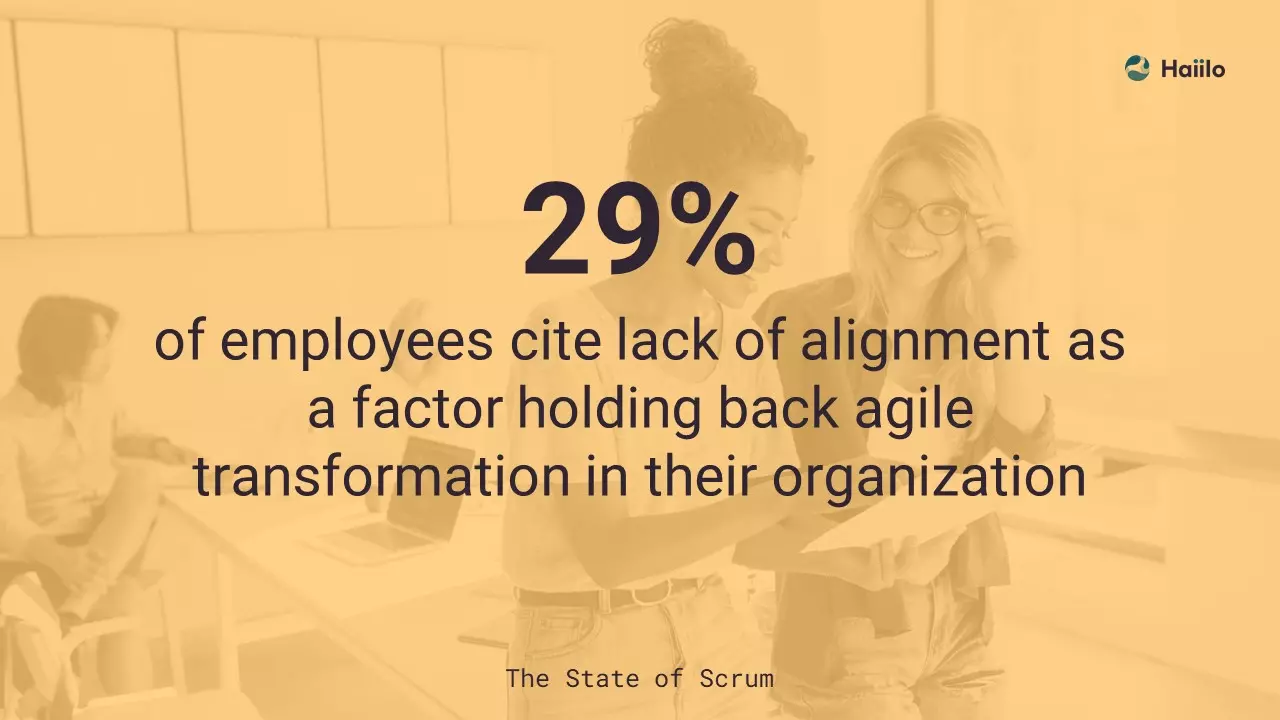
As we saw earlier, many organizational change management efforts struggle to deliver lasting results. One common reason is a lack of alignment across teams and levels. When people do not understand the purpose of change or how it connects to shared goals, resistance grows.
To help employees accept and support change initiatives, employers need to inspire people and give them a clear sense of direction. Motivation, clarity, and shared purpose are essential foundations for any successful organizational change effort.
Therefore, we have put together the best practices or pillars of successful organizational change management.
1. C-Level Executives and Managers have to be on board
Even though employees should be at the heart of every change initiative, successful changes still start at the top. CEOs and other C-level executives play a critical role because their authority allows them to create a sense of urgency. This urgency helps signal that change is necessary, relevant, and not optional.
It is recommended for companies to set up a top-level team of experts who report directly to the CEO and are responsible for shaping a clear vision and strategy for change. This group helps ensure focus and consistency across the organisation. They must also be able to communicate the strategy in a way that is simple, concrete, and easy for all employees to understand.
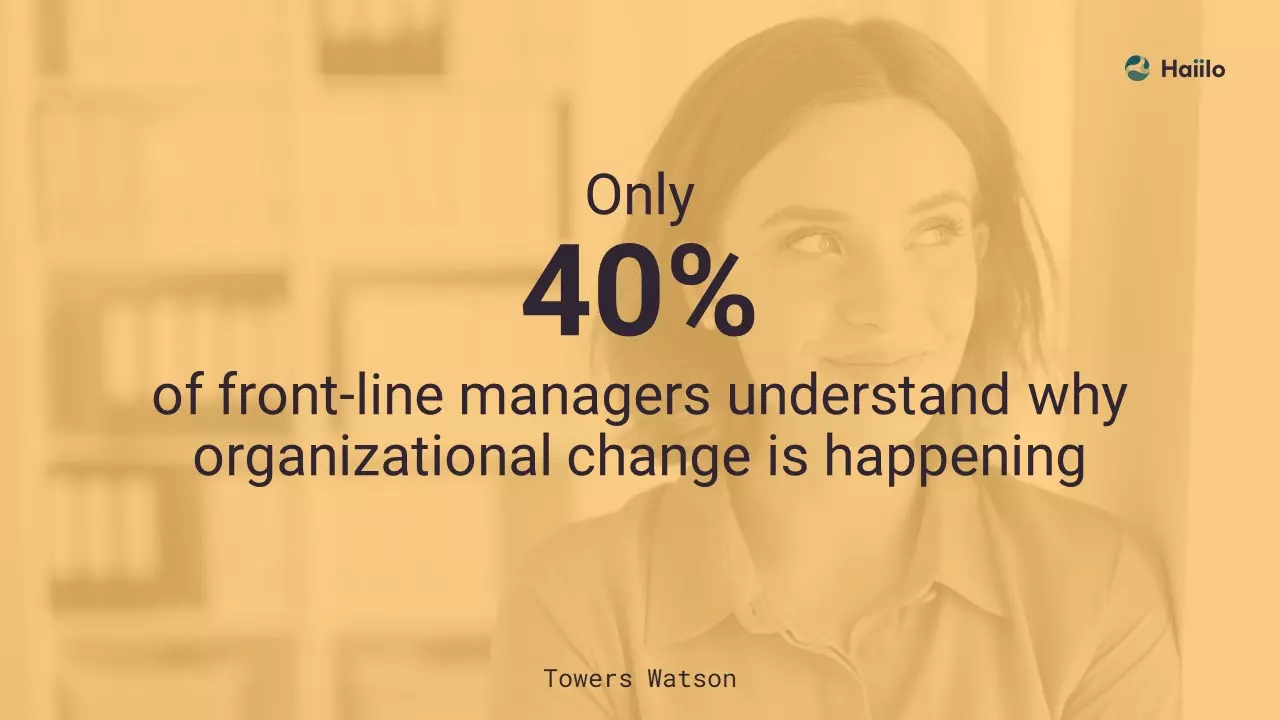
At the same time, managers act as the bridge between leadership and employees. However, many front-line managers still do not have a clear understanding of why the change is happening or what success looks like. Without this clarity, they struggle to explain the change, answer questions, or address concerns. This weakens trust and slows adoption.
Strong ocm organizational change management ensures leaders and managers are aligned, informed, and visible throughout the process. When leadership speaks with one voice and managers feel confident explaining the change, employees are far more likely to engage and move in the same direction.
. Clear goals should be set
Starting a change without a clear strategy and defined goals is one of the main reasons why organizational change management initiatives fail. When goals are vague or conflicting, employees struggle to understand priorities and direction. As changes are usually introduced to fix or improve current business situations, organizations should always identify specific outcomes they expect from the change.
Clear goals give people a shared point of reference. They help teams make better decisions, measure progress, and understand what success looks like. This clarity is a core requirement for effective ocm organizational change management and reduces confusion during execution.
This is the only way employers can drive organizational alignment across all employees and encourage everyone to work towards the same goals, instead of pulling in different directions.
3. Understanding the impact of the change
Once clear goals and objectives are set, the next step is to determine the impacts change will have on different parts of the organisation and on individuals. Change rarely affects everyone in the same way, so assumptions can quickly create blind spots.
Companies need to review the impact on each business unit, role, and workflow. This type of insight helps leaders identify where resistance might occur and where extra communication, training, or support is needed. Anticipating these effects early makes change easier to manage and less disruptive.
Ask yourself these 3 questions:
- What are the impacts of change?
- Who will be affected the most?
- How will it be received?
4. Employees need to embed a change-centric mindset
As said before, without employee alignment, it is extremely hard to successfully implement change within organisations. However, it is the employer’s responsibility to help employees align and develop a new, change-centric mindset over time.
This means supporting people through uncertainty and helping them see change as part of normal work, not a disruption. Middle management plays a critical role here. Managers need to actively translate strategy into everyday actions and make sure that employees grasp their role in implementing the vision and feel confident contributing to it.
5. Employees’ psychological needs are important to understand
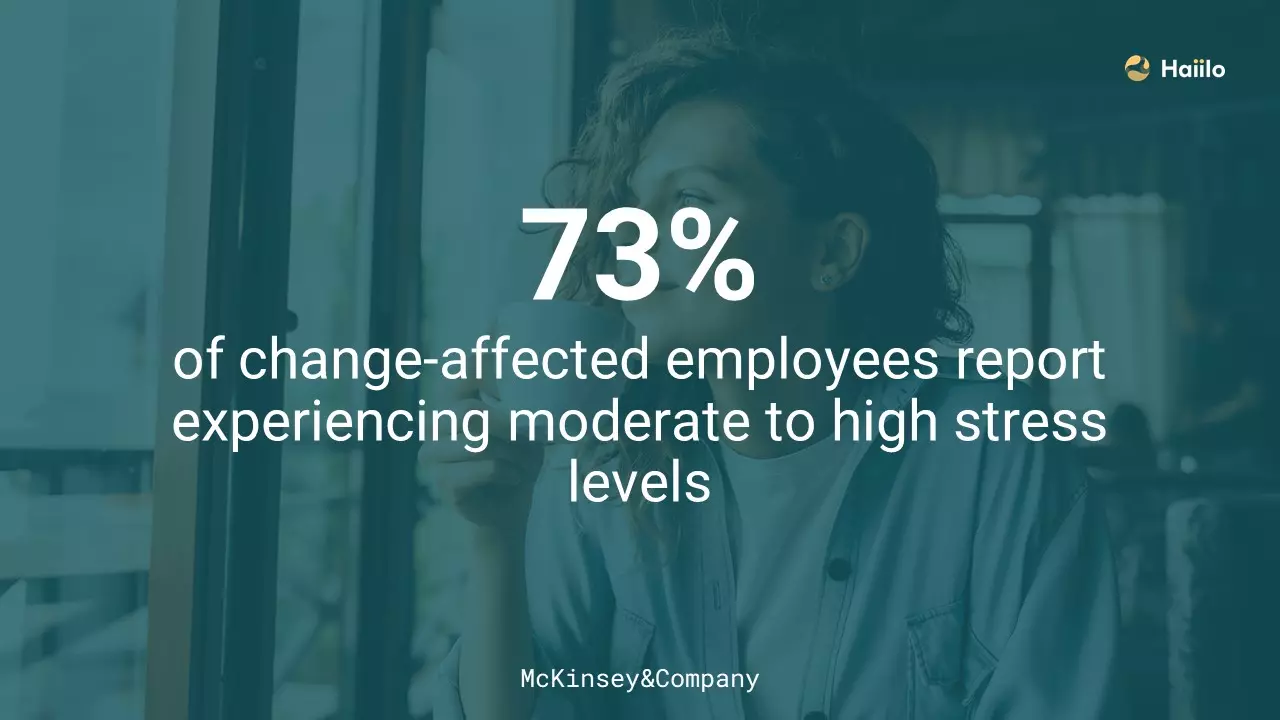
To drive change successfully, organisations need to understand basic psychological needs that influence how people respond to uncertainty. Self‑determination plays a central role here. It highlights why the needs to be involved, heard, and empowered are important during periods of change, especially when routines and roles are shifting.
When employees feel excluded or ignored, motivation drops and resistance increases. When people worry about job security or relevance, trust can quickly erode. Effective ocm organizational change management takes these human reactions seriously and designs change processes that support autonomy, competence, and connection instead of undermining them.
So what can organisations do to create change management processes that take basic human needs for autonomy and competence into account?
- We can satisfy employees’ need for autonomy by inviting them to contribute ideas and apply their experience to change projects.
- We can empower employees to self‑initiate change projects where they see clear opportunities for improvement.
- By empowering employees to be originators of change ideas, organisations also validate employees’ competence and expertise.
- We provide employees with easy access to the skills, training, and tools needed to master the challenges that change brings.
- We cultivate a work environment where people feel a sense of belonging, support one another, and experience stability even during change.
When employees feel respected and psychologically safe, behaviours that support change become more common. These include taking initiative, sharing feedback, experimenting with new approaches, asking for help, and learning from mistakes. Such behaviours are essential for long‑term adaptability.
6. Desired employee behaviors should be reinforced using recognition
Employee recognition is often seen as a way to drive employee motivation, engagement and performance. However, employee recognition is also one of the most effective ways to embed new behaviours that support change and shape organisational culture.
When organisations recognise actions that reflect new ways of working, they signal what really matters. This makes change tangible and reinforces expectations in everyday work. To do this well, leaders need to anticipate resistance early and respond with support rather than pressure.
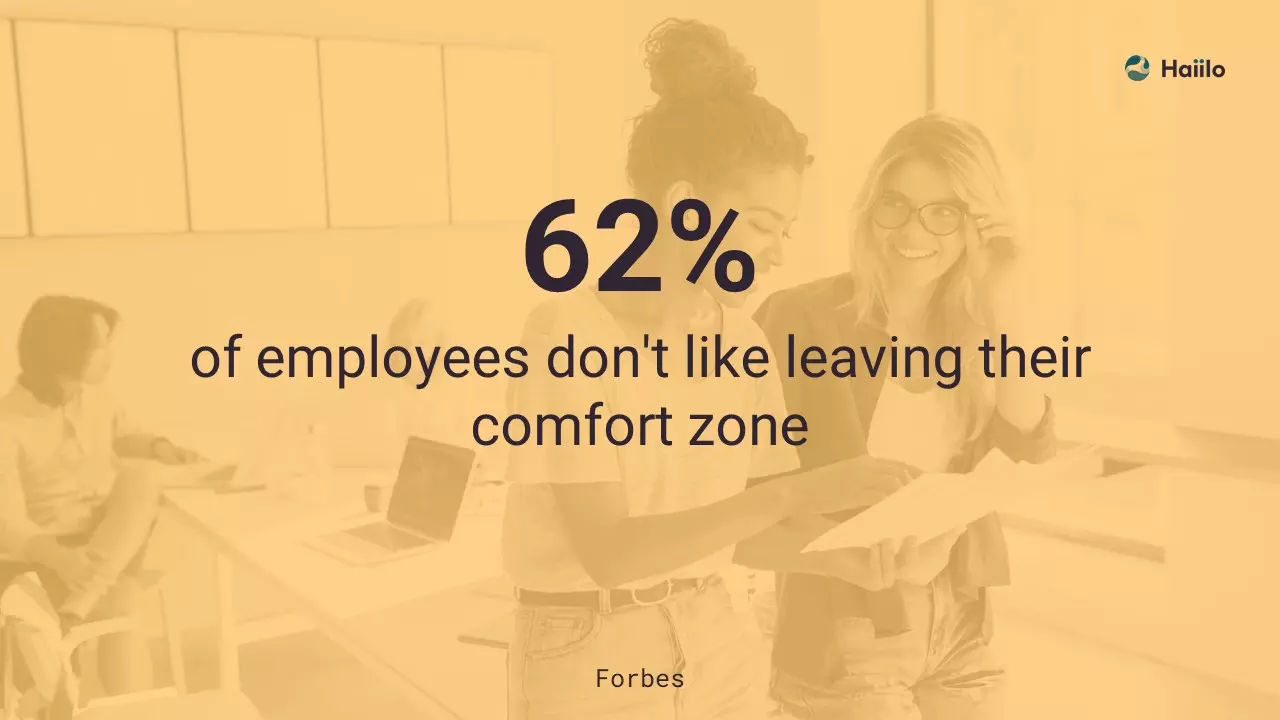
Because many employees prefer familiar routines, recognition helps reduce fear and encourages people to step outside their comfort zone and try new approaches with confidence.
7. Transparent, frequent and honest communications are a must-have
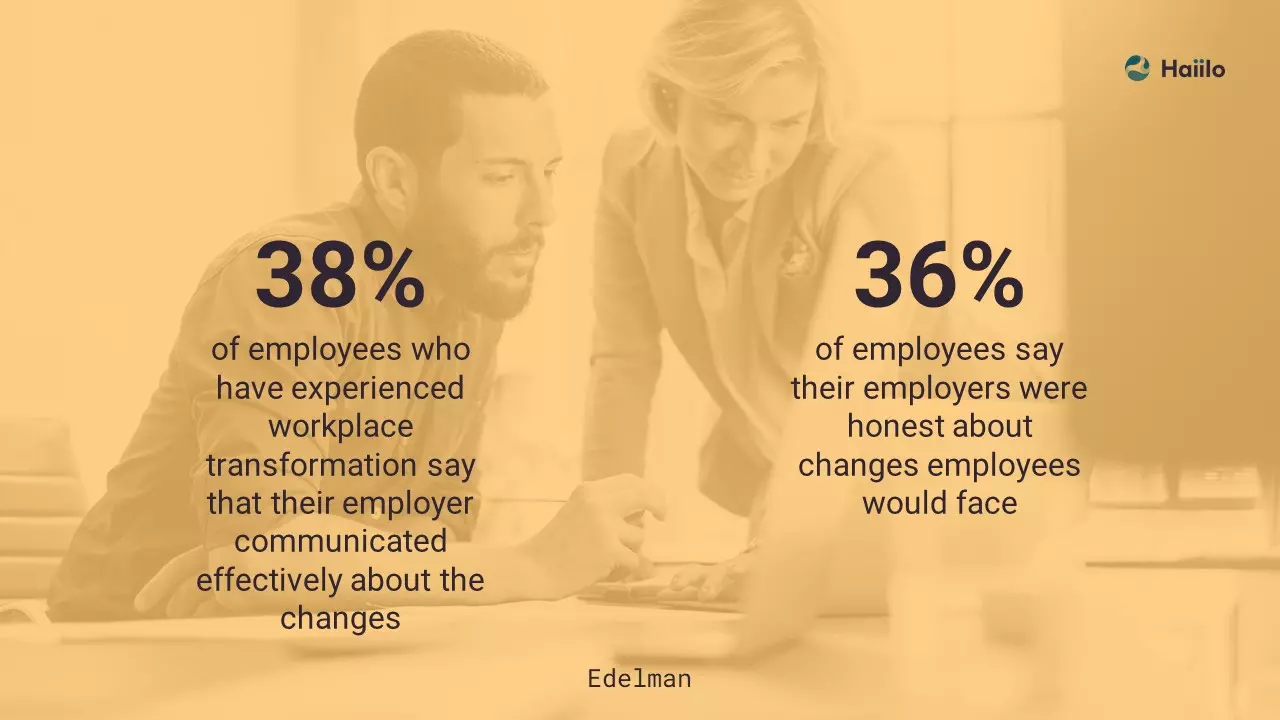
A lack of trust can quickly undermine change initiatives. Not only do employees need to be well-informed throughout the entire change process, but communication must also be honest, transparent, and two‑way. One‑off announcements or newsletters are not enough.
Clear and frequent communication helps reduce uncertainty and rumours. Being transparent at every stage builds trust and strengthens a connection with employees. Employers also need a clear strategy to prevent miscommunication, ensuring that messages are consistent, accessible, and open to feedback.
Therefore, employers now need to turn to newer employee communication solutions that allow employees to access communication, documentation, and conversations in one central place. A single source of truth reduces confusion, limits information silos, and makes it easier for people to stay aligned during periods of change. This kind of structure supports clarity and consistency across the organisation, which is essential for effective ocm organizational change management.
8. Organizational change management requires collaboration and co-creation
Earlier in this blog, we talked about the importance of involving and empowering employees throughout the change process. Encouraging employees to share their thoughts and actively participate makes change more relevant and practical. When people contribute ideas, they are more likely to feel ownership and support the outcome.
However, collaboration does not happen by default. Employees need simple and reliable ways to communicate, exchange feedback, and work together. This is where the choice of internal communication channels becomes critical. The right channels make collaboration easier and remove friction from everyday interactions.
For example, relying on email as the primary communication channel is rarely effective. Many employees already struggle with information overload and inbox fatigue, which means important messages are often missed or ignored. To support collaboration and co-creation, choosing a more efficient communication channel is a must. Better channels help surface ideas, encourage discussion, and keep change conversations visible and ongoing.

9. Change efforts should be measured
Throughout the organizational change management process, the outcomes and the impact of the initiatives should be measured. This goes far beyond tracking business results or financial performance alone. Without measurement, it is hard to know what is working, what is not, and where adjustments are needed.
Internal communicators and managers should also track how employees respond to new processes and ways of working. Measuring employee engagement, feedback, and participation helps reveal whether change messages are understood and accepted. Effective manager communication plays a central role here, as managers strongly influence how change is perceived at team level.
Understanding how engaged employees are with internal messages and initiatives can help employers evaluate their change management plan. These insights make it easier to assess overall effectiveness, identify gaps, and document lessons learned for future initiatives. Continuous measurement is a key part of strong ocm organizational change management.
Top 3 Organizational Change Management Models
To implement organizational change such as digital transformation, organisations need to plan ahead and structure change efforts carefully. Clear frameworks help teams stay focused and reduce uncertainty.
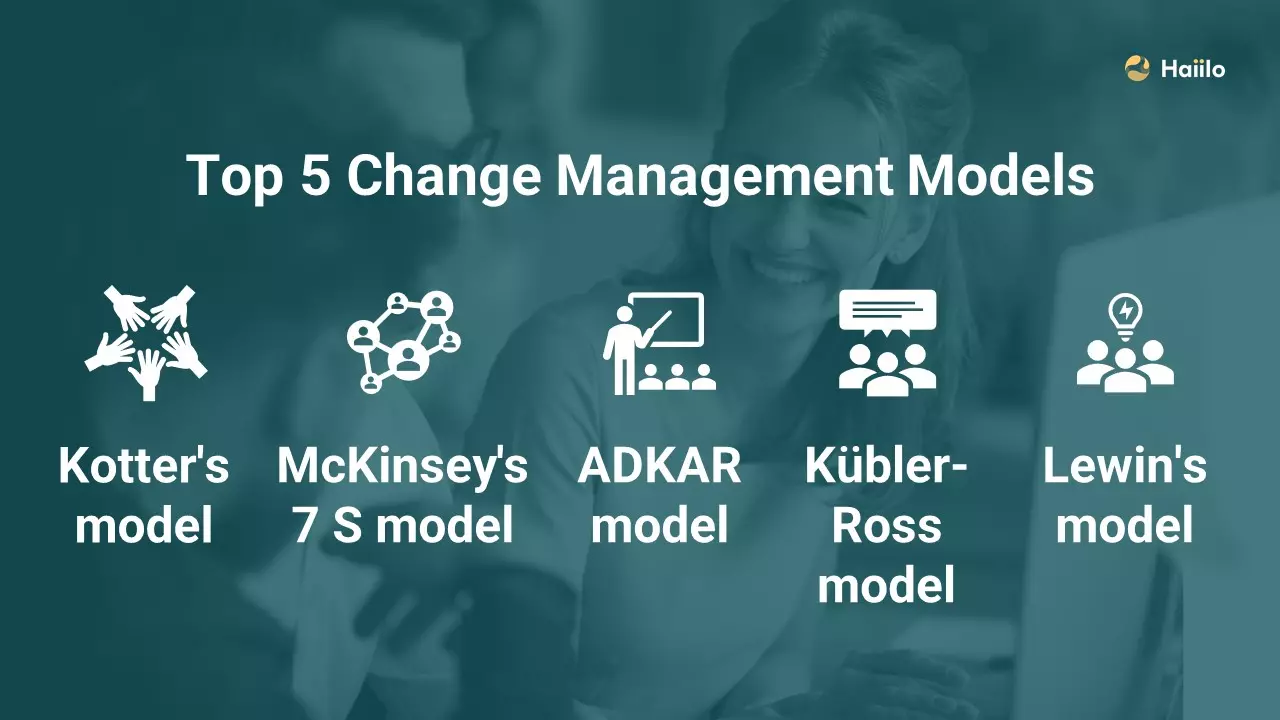
Many organisations rely on established change management models to guide their approach and improve consistency. Below, we will present the top 3 most widely accepted change management models. You can also explore our overview of the top 5 change management models for additional perspectives and use cases.
1. Kotter’s Organizational Change Management Model
Kotter’s change management theory is one of the most widely used organizational change management models worldwide. Its popularity comes from its strong focus on people, behaviour, and leadership throughout the change journey.
This model is built around eight stages, and each one focuses on employees’ response to change. Rather than treating change as a technical task, Kotter’s approach recognises that lasting change depends on mindset, motivation, and momentum.
- Increase urgency – Create a shared understanding of why change is needed now. A clear sense of urgency helps employees prioritise change and avoid complacency.
- Build the team – Bring together the right mix of skills, influence, and credibility to lead the change and keep it moving forward.
- Get the vision correct – Define a clear and compelling vision that considers strategy, employee creativity, emotions, and concrete objectives.
- Communicate – Communicate frequently and clearly about what is changing, why it matters, and how employees are affected.
- Get things moving – Remove obstacles, encourage action, and collect feedback so progress does not stall.
- Focus on short-term goals – Set achievable milestones and recognise early wins to reinforce new behaviours and build confidence.
- Incorporate change – Embed new behaviours into everyday work so change becomes part of the culture.
- Don’t give up – Stay consistent and persistent, even when progress feels slow or resistance appears.
2. McKinsey 7-S Organizational Change Management Model
McKinsey 7-S framework or model is one of the longest‑standing change management models and has been adopted by many global organisations. It emphasises that change only works when multiple organisational elements are aligned.
This model highlights 7 crucial categories organisations should consider when implementing change:
- Strategy – The long‑term plan that guides change and sets priorities.
- Structure – How the organisation is arranged and how responsibilities are distributed.
- Systems – The processes and tools that support daily work and enable change.
- Shared values – The core company values that shape behaviour and decision‑making.
- Style – How leaders lead and how change is communicated and reinforced.
- Staff – The people involved and their capacity to support the change.
- Skills – The capabilities and competencies employees need for change to succeed.
3. ADKAR Organizational Change Management Model
ADKAR model is a people‑centred framework used by change managers to identify gaps that can slow or block change. It helps organisations focus on individual readiness rather than only organisational plans.
ADKAR stands for:
- Awareness – of the need for change
- Desire – to support and participate in the change
- Knowledge – of how to change and what to do differently
- Ability – to apply change consistently in daily work
- Reinforcement – to sustain change over time and prevent regression
Why Do Companies Need to Embrace Organizational Change Management?
Organizational change management should be a structured process that helps organisations guide people through change in a clear and supportive way. Without structure, change becomes reactive, fragmented, and harder to sustain.
By applying consistent ocm organizational change management practices, organisations can reduce resistance, improve alignment, and increase the likelihood that change delivers real, lasting value.
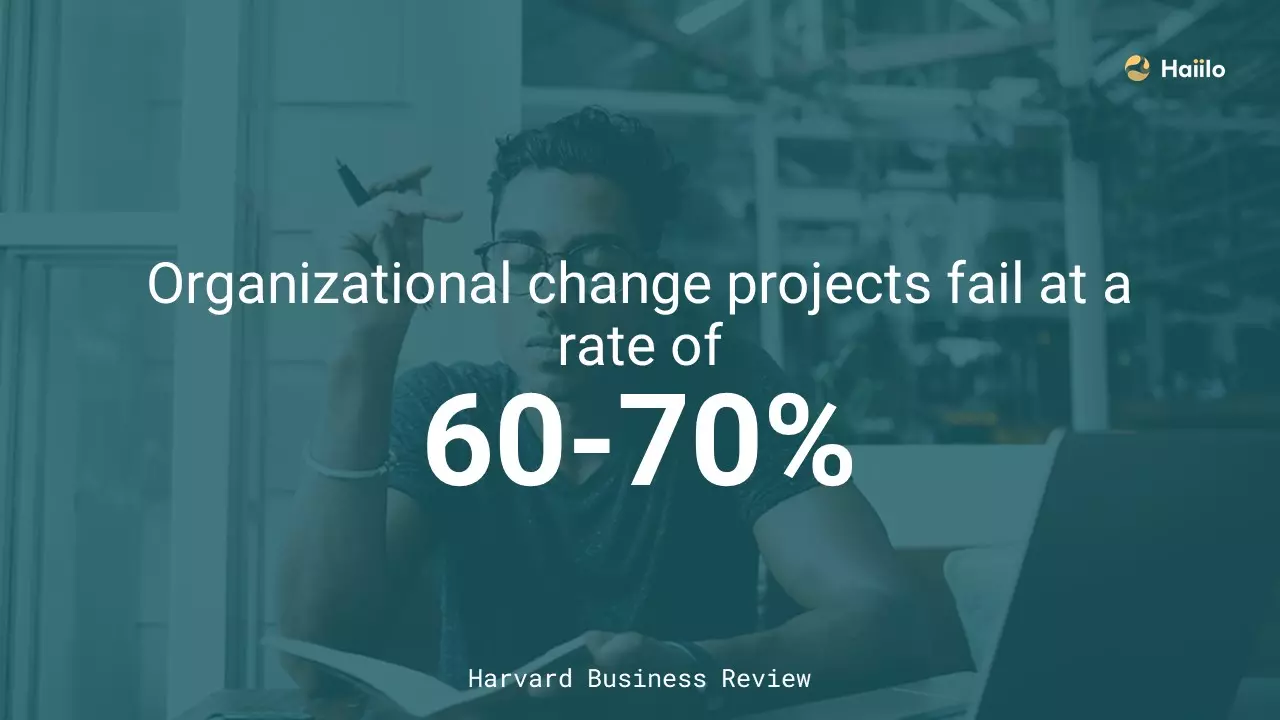
Indeed, change management reduces the risk that a new system, technology, internal process, or other initiative will be rejected by employees. Organisations that lack structured approaches are far less likely to implement change that leads to lasting improvements or better business results. Without clear processes, change often feels reactive and inconsistent, which increases resistance and slows adoption.
Related: 5 Change Management Models to Take a Look At
9 Interesting Facts About Organizational Change Management
As constant organisational change has become the new normal, it is no surprise that there is an abundance of research on change management. While specific figures vary by study, the overall patterns are consistent across industries.
Below are some widely observed insights about organizational change management that organisations should not ignore:
- Most organisations are involved in some form of transformation at any given time, often running multiple initiatives in parallel.
- Many leaders acknowledge gaps in their organisation’s ability to manage innovation and change in a structured way.
- A large share of change programmes struggle to meet their original goals, with employee resistance being a recurring challenge.
- Change initiatives are more likely to succeed when employees feel genuinely involved and invested.
- Training before and after major changes plays a critical role in helping employees adapt.
- Organisations expect the volume and complexity of change initiatives to continue increasing.
- Flatter structures and more open approaches to change are often linked to faster implementation and smoother adoption.
- Many employees feel that organisations struggle to inspire people during ongoing transformation.
- People‑related factors, such as mindset, attitudes, and culture, are consistently cited as the biggest barriers to change.
Using Technology to Implement and Manage Change Successfully
Ineffective or missing communication in the workplace directly influences the success of change management. Organisations that treat communication as an afterthought are more likely to face confusion, resistance, and disengagement.
In contrast, organisations that integrate communication into every stage of ocm organizational change management are better equipped to guide employees through uncertainty. Clear, timely, and accessible communication helps people understand what is changing, why it matters, and how they are expected to adapt.
Below are a few common reasons why organizational change management efforts fail:
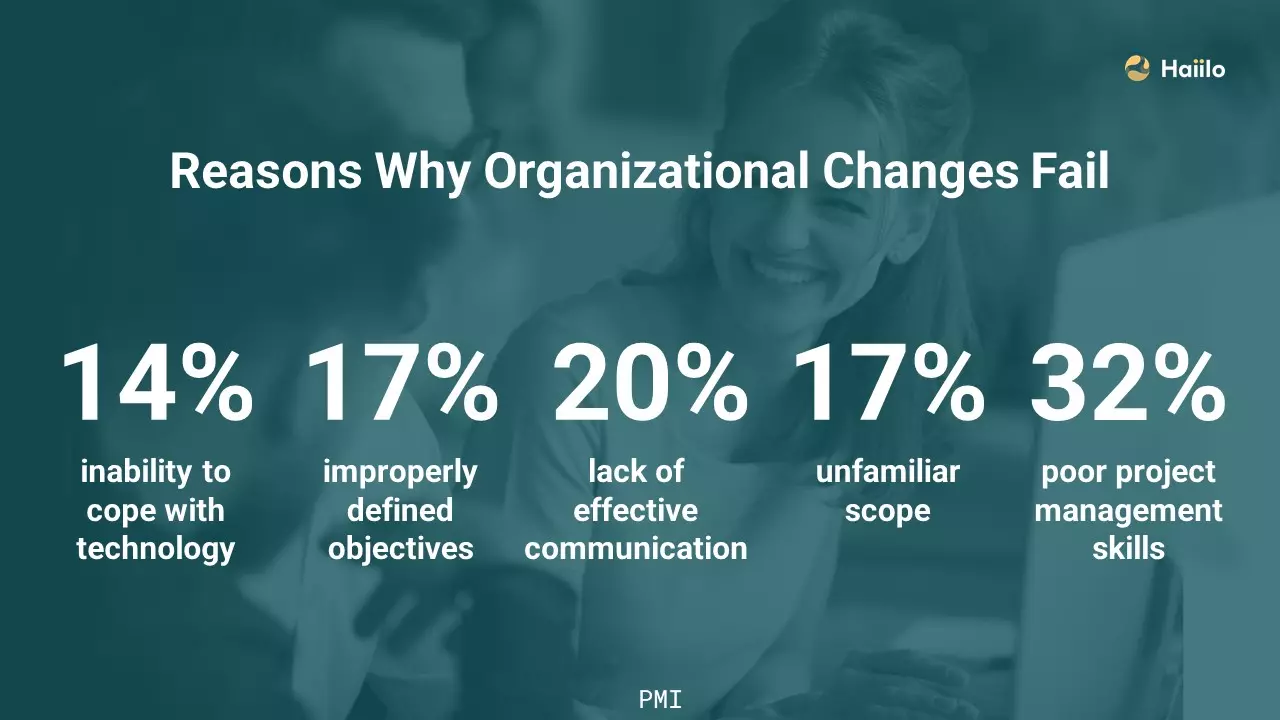
Haiilo, our employee communications platform, is designed to help organisations become more effective at organizational change management by improving how communication works across the workplace. Clear, consistent communication makes it easier for people to understand change, stay aligned, and act with confidence.
In addition, our mobile‑first mindset led us to build a solution that feels familiar to employees. By reflecting the platforms people already use in their everyday lives, we lower barriers to adoption and make engagement more natural. This directly supports stronger participation throughout ocm organizational change management initiatives.
With our AI‑powered technology, organisations and leaders can easily:
- Understand their internal audiences and how different groups respond to change
- Easily segment audiences by location, department, job role, and more to tailor messages
- Personalise the communication experience so information feels relevant, not generic
- Identify and reward internal change ambassadors who help drive adoption
- Keep all important updates, conversations, and documents in one central place
- Reach every employee at the right time with the right message
- Measure the impact of communication on specific organizational change management objectives
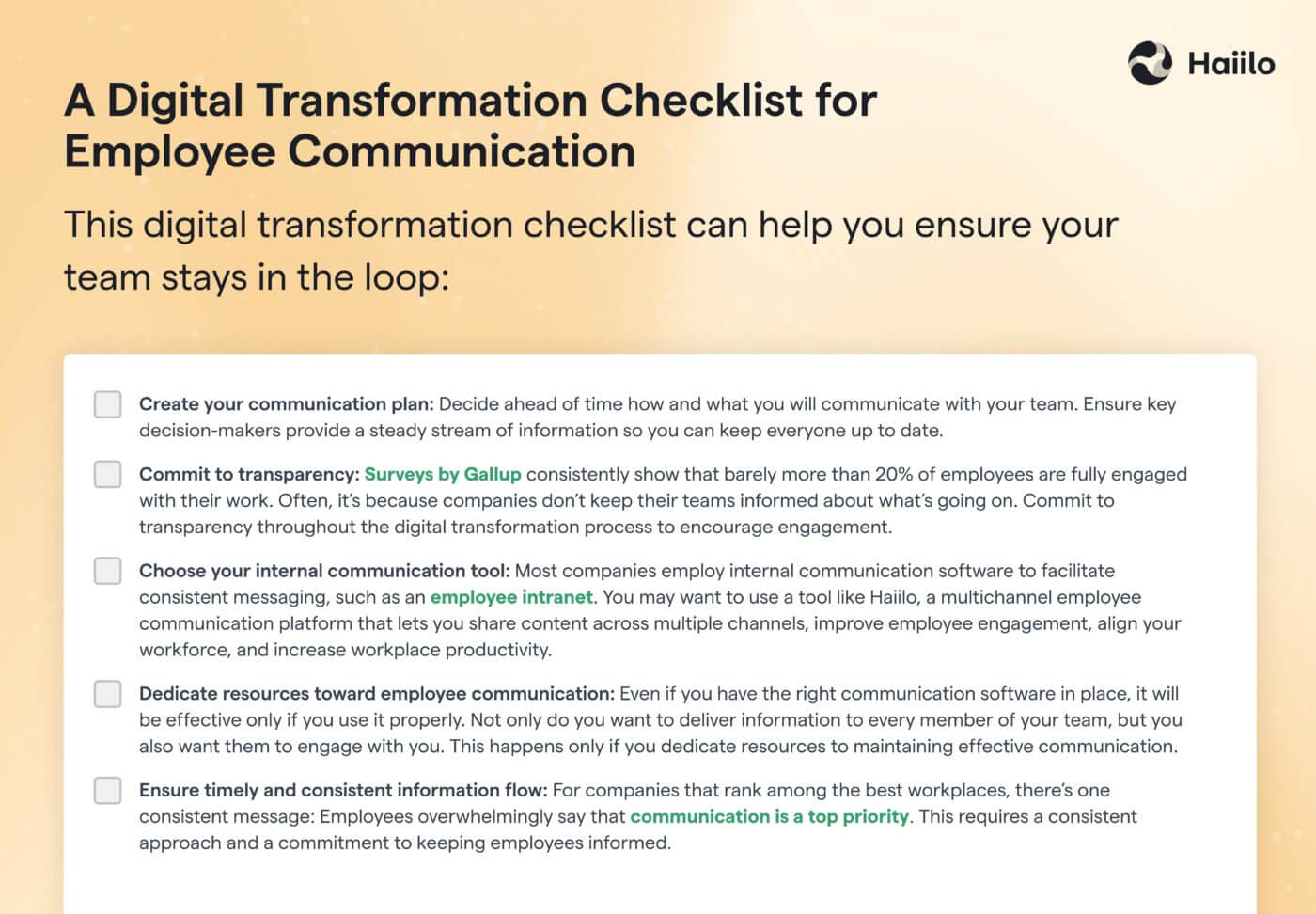
Digital transformation is easy with our simple checklist. Get it now!
FAQ: ocm organizational change management
1) What is ocm organizational change management (and when do you actually need it)?
ocm organizational change management is the structured way to help people adopt change—new tools, processes, ways of working, or even a full business transformation. You need it any time the change affects roles, habits, or routines (so… most changes). If you want a quick refresher on the basics and common pitfalls, start with this guide to best practices.
2) How do you reduce resistance and get employees on board?
Start with clarity: what’s changing, why it matters, and what it means for “me”. Then make it two-way. People resist change when they feel surprised, unheard, or left out. Strong employee communications help you avoid that—especially when updates, FAQs, and feedback live in one place. This is where employee communication and a clear internal communications approach support OCM in the real world. For more on the comms side, see employee comms.3) What should you measure during a change programme?
Don’t just track delivery (“we launched it”). Track adoption and understanding: who is engaging with messages, where questions cluster, what’s being missed, and which teams need extra support. Pair engagement signals with feedback loops so you can adjust fast. Tools like insihgts and analytics can help you connect communication performance to change goals, and this post on employee engagement adds useful context.4) Which platforms best support ocm organizational change management for busy, distributed teams?
Look for mobile-first access, targeting (so everyone doesn’t get everything), and easy ways to share updates, documents, and conversations. Bonus points if you can spot change champions and reinforce new behaviours. A solution built for employee engaement helps keep energy up when change fatigue hits.
Find
your
flow
Bring communication, knowledge, and tools into one calm place — and help your people find their flow.