
Internal communications in healthcare: challenges and best practices


Internal communications in healthcare pose a unique set of challenges for organizations. It is essential to ensure that communication between different departments and staff levels is efficient, timely, and effective. The best internal communications practices promote collaboration, provide clear guidance, and help maintain patient safety.
This article will cover the internal communication challenges most healthcare facilities face. We’ll also provide an in-depth analysis on the best practices these facilities can employ to enable seamless communication in order to deliver safe, efficient care to all patients.
Internal communication challenges in healthcare
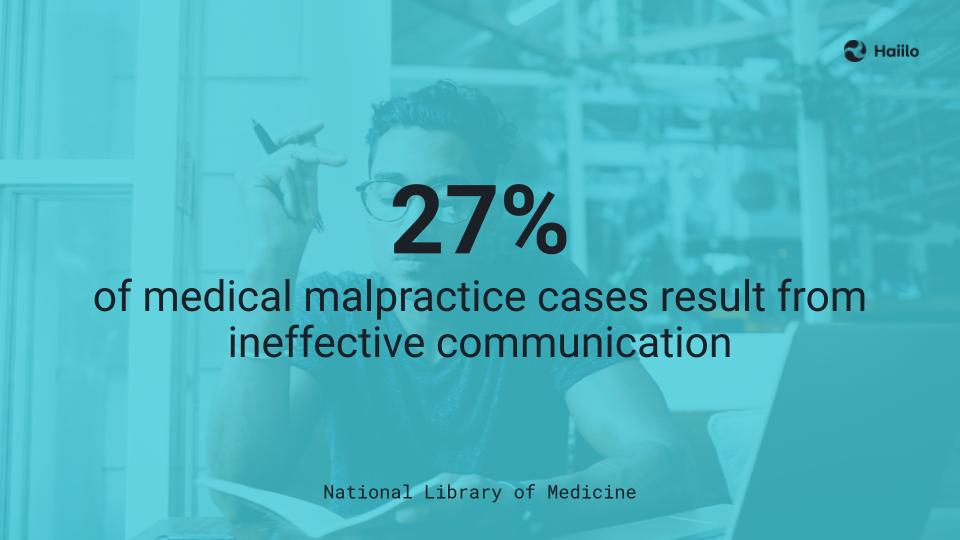
Poor communication in healthcare can lead to mistakes, omissions and avoidable delays that affect both patient safety and operational performance. Recent malpractice benchmarking continues to identify communication breakdowns as a significant risk. Healthcare organisations should therefore treat clear, reliable communication as a core part of care delivery, not an administrative extra.
Healthcare is a complex labyrinth with many stakeholders, each with their own communication needs and challenges. The business of healthcare involves providing the right care, but it also includes specific organizational goals that often require precise coordination. As such, the internal communication process between healthcare team members can be complex.
Understanding these daunting workplace communication challenges is vital, enabling healthcare providers to effectively care for patients while maintaining organizational efficiency and avoiding costly pitfalls. Here we discuss the various communication challenges that can arise within a healthcare setting.
Outdated communication technology
Pagers remain part of communication workflows in many hospitals. Although they can be reliable for urgent alerts and may support privacy requirements, they offer limited context, make two-way conversations difficult and are not always easy to track.
Industry reporting has highlighted the cost of fragmented, ageing communication technology. Many healthcare facilities still rely on a mixture of pagers, fax machines and legacy phone systems. These tools can be difficult to scale and may not provide the flexibility a modern healthcare environment needs.
Break down the silos and boost the information flow in healthcare with Haiilo!
For example, a pager system is too limited to enable efficient communication between doctors, nurses, and other care providers. It does not support two-way communication and is difficult to track. On the other hand, modern internal communication tools can enable real-time information flow as well as support quick decision-making. This is key to ensuring patient safety and delivering better healthcare outcomes.
Furthermore, outdated communication methods can make it difficult to attract and retain millennial and Gen Z workers. Younger healthcare workers are accustomed to modern, flexible communication tools and expect their employers to provide them with such an experience.
Lack of a standardised internal communication plan
A standardized communication plan promotes effective communication between different departments and staff levels in an organization. It helps ensure everyone is on the same page so all stakeholders know the latest developments within their respective areas. Without this structure, communication can be chaotic, inefficient, and disorganized.
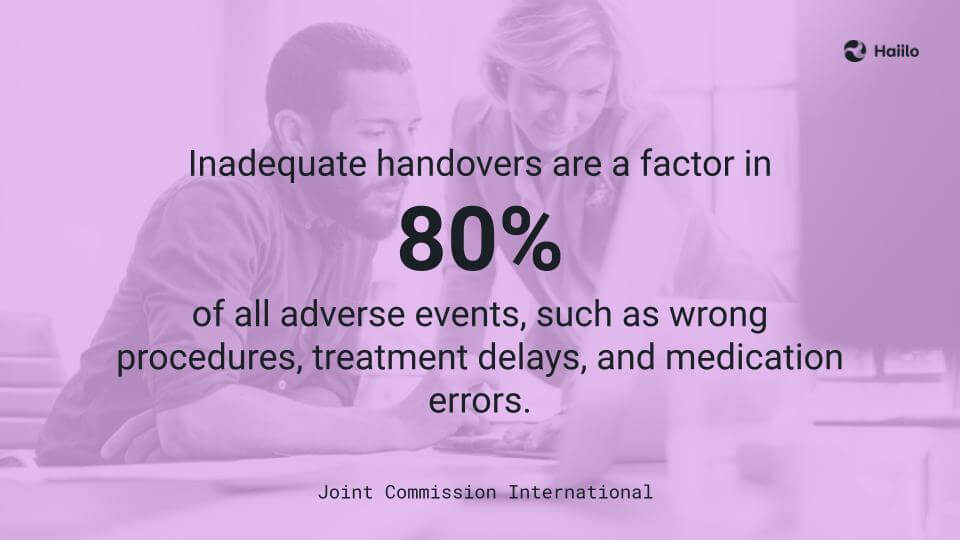
Unfortunately, many healthcare organisations lack a standardised internal communication plan, which can create gaps during shift changes and patient handovers. The Joint Commission includes a defined process for hand-off communications in its patient-safety expectations, underlining the need for accurate, timely and complete information transfer.
A internal communication plan within a healthcare setting should clearly define the roles and responsibilities of all stakeholders and set out protocols for communication and decision-making. This structure should also ensure that everyone is informed about any changes in policies or practices to avoid miscommunications.
Disengaged workforce
Gallup has reported a notable decline in engagement among healthcare workers. For healthcare organisations, that makes clear expectations, access to information, recognition and meaningful employee feedback especially important.
A disengaged workforce means lower morale and productivity levels, higher turnover rates, and a decrease in the quality of care for patients. This can be caused by poor internal communication protocols that do not effectively bridge the gap between management, workers, and patients.
Poor communication can lead to misunderstandings about job expectations and roles within the organization. To ensure that they foster an engaged and productive workforce, healthcare organizations must build stronger internal communication practices that promote a clear understanding. This includes:
- Having an open dialogue on expectations between workers and managers
- Providing feedback mechanisms such as surveys or task trackers
- Fostering collaboration through techniques such as brainstorming sessions
- Encouraging team-building activities like social events or volunteer opportunities
Information silos
Information silos are isolated pockets of information that result from a lack of effective communication between departments. They foster an environment of restricted communication and prevent data from being shared promptly across departments.
This restriction limits knowledge sharing, resulting in significant delays in decision-making, unnecessary redundancies across the board, and fragmentary approaches to patient care. Information silos also discourage innovative solutions since those seeking new approaches must often navigate multiple layers of bureaucracy and top-down hierarchies to get approval for their ideas.
For internal communications in healthcare to be effective, there needs to be an effort to break down these information silos in favor of more open and accessible systems — systems that can provide a better flow of data and encourage cross-departmental collaboration.
Information overload
It’s no secret that managing information overload can be challenging in the healthcare industry. With so much data coming from multiple sources, it can be hard to know what is essential and what isn’t.
The reality is that emails and other important messages can easily disappear into a crowded inbox. Email performance benchmarks can help communication teams understand what reaches employees, but open rates alone do not show whether a message was understood or acted on. Combine channel data with acknowledgements, pulse surveys and manager feedback for a clearer view.
This can seriously affect patient care and organizational planning, leading to obstructions and delays since teams aren’t properly informed. Managers need to consider what they are communicating and how they communicate it if they want their messages to be heard.
Best practices for internal communications in healthcare
Getting the most out of your internal communications requires staying on top of best practices related to technology, information flow, and alignment. With the right approach, healthcare facilities can use optimization techniques to create a connected workforce that ultimately helps improve patient satisfaction. This section provides insights into the top internal communication strategies that can help you navigate these challenges effectively.
Use one platform for all communications
Bringing communications together in one platform means less risk of miscommunication. Without such a hub, information could circulate through different mediums — emails, text messages, or pagers, for example — with important data potentially being lost or missed entirely.
Furthermore, while these tools enable top-down communication, they can rarely give you insights on the performance of your communication campaigns or provide your employees with a space to give feedback or raise their concerns.
Having a 360° overview of all your communications ensures that data and conversations are organized and effective. It also makes responding to mission-critical situations much faster and more efficient, helping to ensure continuity of care.
Use targeted communications to avoid information overload
Internal communications in healthcare need to be precise and fast to keep up with the demands of a constantly busy environment. Targeted top-down communications focus on sharing relevant information with specific audiences based on their role rather than attempting to communicate everything about all services or products.
This prevents information overload, which can otherwise make it difficult for audiences to understand and recall the main points. Targeted communications also allow healthcare organizations to tailor their content to the unique needs of each segment, making sure that everyone understands the most important details of their particular job.
This is one of the top reasons for using an employee communication platform through which information can be targeted accordingly. You could send messages to the entire organization or specific audiences, such as the cardiac care unit or surgical team. You can also target communications by segmenting the audience based on various factors.
These factors could include geographic location, hospital or clinic system, occupational role, age group, and more. With these details, organizations can ensure that everyone is receiving the right information and updates that are tailored to their specific situations and needs.
Create a simple message hierarchy so employees can immediately distinguish urgent clinical or operational alerts from routine updates. Define the audience, owner, channel, required action and expiry date for each message. This makes internal communications in healthcare easier to prioritise and reduces the risk that time-sensitive information is buried beneath lower-priority content.
📽️Learn more: How to Overcome Communication Barriers
Use mobile collaboration
In the ever-evolving healthcare landscape, mobile-first communication solutions can help medical organizations streamline their workflows and eliminate common errors. Focusing on a mobile-first strategy can help healthcare professionals quickly access patient records, compliance documents, lab tests, and other types of critical information right at their fingertips — no matter where they are.
With this approach, physicians and clinicians can easily access data to ensure optimal care for patients, share timely updates with colleagues across departments, and provide faster, more efficient patient services. Internal personnel can get push notifications and read their emails at their convenience without having to wait until they get to their desktop.
Any mobile communication approach should also reflect security, privacy and governance requirements. Set clear rules for access, approvals, retention and escalation, and give employees practical training on which channel to use in different situations. Review adoption and feedback regularly so the system supports frontline work rather than adding another layer of complexity.
Haiilo’s employee app provides a dedicated mobile communications platform that enables clinical teams to communicate quickly and productively.
Break down silos
Breaking down silos can profoundly improve internal communication in healthcare. Communication across clinical departments, including primary care, specialty care, and ancillary services, is typically delayed due to a lack of interconnectedness between departments.
Breaking down silos for internal healthcare communication starts with implementing tools that allow teams to communicate more efficiently. These tools should have the capability to integrate data and facilitate better cross-team communication.
With an internal communications platform like Haiilo’s mobile app, employees can contribute content by proposing new ideas, and management can easily approve and share the details right on the platform. The whole process is fast and seamless, which is critical in a healthcare setting.
Leaders also play a critical role in driving change, so getting them on board early is crucial for making sure these new initiatives are fully embraced. Creating shared accountability across multiple departments and teams also helps build a sense of collective responsibility among all staff members. You could also try team-building exercises to foster relationships that’ll lead to better communication in the future.
Make employee mental health a priority
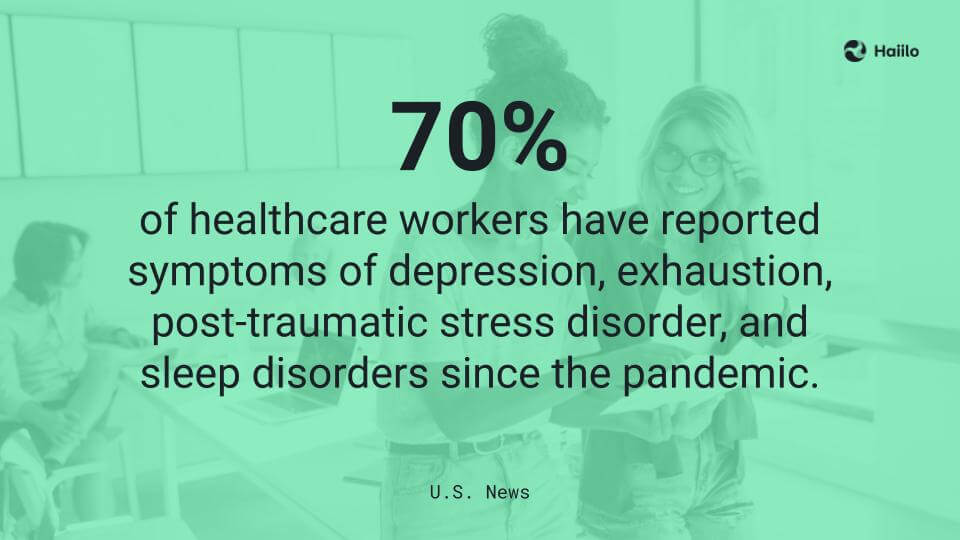
CDC research has documented high levels of burnout and poor mental health among health workers. Supporting employee mental health therefore requires more than wellbeing messaging. Healthcare organisations should examine workload, staffing, psychological safety, manager behaviour and access to support, then communicate available resources clearly and repeatedly.
Focusing on employees’ mental health helps create an environment in which employees feel supported and valued by their employer, which in turn encourages them to contribute more actively to their work. When you foster employee engagement, you promote better communication since everyone will be alert and have higher morale.
Give employees a voice
Giving your healthcare employees a voice is a great way to cultivate an open and transparent workplace culture. An internal communications platform will encourage a feedback loop that ensures employee feedback is heard and considered. This can help management better understand the challenges on the front lines and support new initiatives more efficiently.
One of the best ways to achieve this feat is by having employees take engagement surveys. These surveys help improve employee satisfaction and reduce turnover. You can also gain actionable insight into your workforce and learn what to improve and what to drop.
Find the right solution for internal communications in healthcare
Efficient internal communications in healthcare are essential to quality patient care. To achieve the highest level of internal communication, an organization must find the right employee communications platform. Fortunately, many options are available, such as Haiilo — an all-in-one platform for internal communications in healthcare. Here are some of the best features Haiilo has to offer:
Mobile-first approach: Haiilo’s mobile-first approach ensures that users can access the system on the go while still being able to use the desktop version when needed.
Multichannel comms: Haiilo’s multichannel comms feature enables healthcare organizations to quickly push important information from their platform over to other tools, like Slack, email, and more, meaning everyone is up to date with the latest news.
Targeted comms: With Haiilo’s targeted comms feature, managers can segment communications based on employees’ location, language, and department and even send personalized messages to single employees!.
Built-in surveys: Haiilo’s built-in survey features allow managers to accurately measure employee satisfaction levels and act before issues arise.
Advanced analytics: Haiilo’s advanced analytics help managers keep track of the performance of their campaigns.
These features are ideal for healthcare organizations looking for an innovative yet effective internal communications platform. Give us a call today, and we’ll help you learn more about how Haiilo can improve your business.
See the benefits of using Haiilo today
Internal communications in healthcare FAQs
Effective internal communication helps healthcare organisations share critical information quickly and accurately. Strong communication supports collaboration between departments, reduces misunderstandings, improves employee engagement and helps teams deliver consistent patient care.
Common challenges include outdated communication tools, information silos, inconsistent communication processes, employee disengagement, information overload and poor coordination between teams. These issues can slow decision-making and make it harder to share important updates across the organisation.
Healthcare organisations can improve communication by using a centralised communication platform, creating standardised communication processes, encouraging employee feedback, reducing information overload through targeted messaging and supporting collaboration across departments.
Mobile communication enables healthcare employees to access important information wherever they are working. Mobile-first tools can help teams receive updates faster, collaborate more effectively and stay connected without needing constant access to a desktop computer.
Clear and transparent communication helps employees understand organisational priorities, feel informed and contribute feedback. When employees feel connected to their organisation and colleagues, engagement levels often improve, supporting productivity, retention and collaboration.
Find
your
flow
Bring communication, knowledge, and tools into one calm place — and help your people find their flow.