
Workplace risks are real: how ensuring safety protects employees with 12 proven tips



Workplace safety has become one of the main priorities for organizations across the world. As safe workplaces are also productive ones, employers are actively looking for better ways to protect their remote, frontline, and in-office employees while supporting their wellbeing. Ensuring safety is no longer limited to physical spaces. It also includes clear guidance, timely information, and everyday behaviours that reduce risk.
In this blog, we will go over the importance of workplace safety and explain why it matters for both people and performance. We will also cover practical best practices for ensuring safe work environments, with a strong focus on workplace safety communications. Clear, consistent communication helps employees understand expectations, spot risks early, and act with confidence, regardless of where they work.
Workplace Safety Defined
Safety of workers (also known as worker safety and occupational health and safety) refers to the provision of a safe working environment, safe equipment, and clear policies and procedures designed to protect employees’ physical and mental wellbeing. At its core, workplace safety is about identifying risks early, reducing exposure to hazards, and ensuring safety through consistent standards and everyday practices.
Today, workplace safety is one of the main concerns for employers across all industries. Health risks, operational disruptions, and evolving employee expectations have made ensuring safety a strategic priority rather than a compliance exercise. Employers are expected not only to meet legal requirements, but also to actively support safer ways of working that adapt to changing conditions.
At the same time, the emergence of remote work and more dispersed workplaces has added complexity. Organisations now need to manage safety for in‑office, frontline, hybrid, and remote employees alike. This makes it harder to reach everyone with timely guidance, training, and updates, especially deskless or frontline teams.
As work environments become more fragmented, ensuring safety depends increasingly on clear communication, accessible information, and shared responsibility. When employees understand risks, know what to do, and feel supported, workplace safety becomes part of everyday behaviour rather than a set of rules that are easy to overlook.
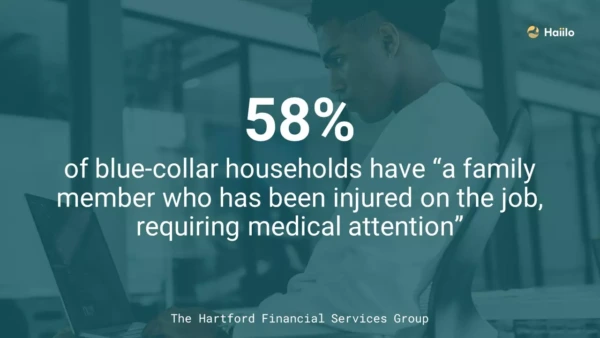
While organizations have a moral obligation to ensure safe working conditions, unsafe workplaces can also lead to serious legal and financial consequences for employers. Failing to prioritise ensuring safety increases the risk of fines, compensation claims, operational disruption, and long‑term reputational damage. Beyond direct costs, incidents can reduce employee trust, lower engagement, and negatively impact productivity, making workplace safety both an ethical responsibility and a critical business priority.
What is workplace safety?
Workplace safety refers to the policies, procedures and practices designed to protect employees from physical, mental and environmental hazards while at work. The goal of workplace safety is to create a working environment where employees can perform their jobs safely, confidently and without unnecessary risk.
Safety in the workplace covers a wide range of areas, including accident prevention, health and safety policies, employee wellbeing, emergency preparedness and risk management. While safety requirements vary by industry, every organisation has a responsibility to protect employees and promote safe working practices.
Effective workplace safety programmes help reduce incidents, improve employee wellbeing and create a stronger workplace culture. By prioritising work safety, organisations can build trust, improve productivity and ensure employees feel supported in their day-to-day work.
The Importance of Keeping Your Workplace Safe
Safety in the workplace has a direct and measurable impact on many business KPIs. In simple terms, safer working environments experience fewer incidents and disruptions. This leads to lower occupational health costs, https://blog.haiilo.com/blog/employee-retention-14-hacks-to-stop-employees-from-leaving/better employee retention and satisfaction, reduced employee downtime, and less time spent on retraining or replacing staff. Over time, these outcomes support both performance and long‑term resilience.
Beyond compliance, ensuring safety helps organisations build trust with their workforce. When employees feel protected and informed, they are more likely to stay engaged, follow procedures, and contribute consistently to their teams.
Let’s now take a deeper dive into the importance of workplace safety.
Employee retention
Employees value safe working environments because they signal that an https://blog.haiilo.com/blog/employee-wellbeing-definition-importance-best-practice/employer cares about their wellbeing. Feeling physically and psychologically safe at work has a strong influence on how people perceive their organisation and its leadership.
As a result, employees who feel safe are more likely to remain loyal and stay longer within their organizations. Safety plays a key role in shaping everyday experience, especially for frontline and operational roles where risks are more visible.
On the other hand, employees who feel unsafe or who have experienced workplace incidents are far more likely to disengage or look for new opportunities. Over time, this increases turnover and puts added pressure on recruitment and onboarding efforts.
Company finances
Workplace safety also has a significant financial dimension. Investing in ensuring safety helps organisations avoid costs related to accidents, compensation claims, insurance premiums, and operational interruptions.
Research highlighted by the https://www.assp.org/advocacy/roi-of-safetyAmerican Society of Safety Professionals shows that organisations that prioritise workplace safety tend to see strong returns through reduced incident costs and improved productivity. These financial benefits are not limited to direct savings. Fewer incidents also mean more stable operations, better morale, and stronger overall performance.
In this sense, workplace safety is not just a protective measure. It is a strategic investment that supports efficiency, sustainability, and long‑term business success.

This is not surprising, as a company can face serious financial strain if an employee gets injured at work. Medical costs, compensation claims, lost productivity, and legal disputes can add up quickly. In the United States, the federal Occupational Safety and Health Act (OSHA) requires employers to follow clear guidelines when creating and maintaining safe workplaces. Failing to meet these requirements can expose organisations to fines, lawsuits, and operational disruption. Prioritising ensuring safety is therefore not only a legal obligation, but also a critical risk‑management practice.
Employee productivity
Employees who feel safe in their working environments are typically more focused and productive than those who have experienced incidents in the past and have developed a certain level of anxiety and fright. When people worry about their own safety, attention shifts away from tasks and performance naturally suffers.
By identifying and eliminating workplace hazards, organisations enable employees to concentrate on their work without unnecessary stress. Clear procedures, proper equipment, and visible commitment to ensuring safety help employees stay engaged, confident, and motivated to do their best work.
Company reputation and Employer Branding
Companies that fail to invest in workplace safety often develop a reputation as unsafe employers. This perception can have a significant impact on employer branding and talent attraction efforts. Job seekers increasingly research employers before applying, and safety concerns can quickly discourage qualified candidates.
Beyond recruitment, poor safety practices can also affect how customers, partners, and the wider public view an organisation. Businesses perceived as careless or unprofessional may struggle to build trust and long‑term relationships. As a result, fewer candidates apply, employee turnover increases, and highly skilled workers are more likely to look for opportunities elsewhere. Investing in ensuring safety helps protect both people and reputation over the long term.
12 Workplace Safety Best Practices
Organizations with employees who are at a higher risk of getting injured often rely on structured and well‑designed workplace safety and office security strategies. Because they understand the legal, financial, and human consequences of neglecting safety, these organizations recognise that having a clear and well‑communicated plan can significantly improve employees’ health, safety, and overall wellbeing. A strong approach to ensuring safety also helps teams respond faster when risks appear and reduces uncertainty in day‑to‑day work.
Let’s now take a closer look at some practical best practices for ensuring safe working conditions.
1. Identify all the workplace safety hazards
Before you start building your workplace safety plan, it is essential to define and understand all potential sources of hazard across the organization. Hazards can vary widely depending on roles, locations, and working environments, so this step should involve input from employees and managers alike.
Identifying safety hazards is the foundation of protecting employees and ensuring safety at work. Common risks often include poor ergonomics, hazardous materials, mechanical issues, excessive noise, restricted visibility, fall hazards, and weather‑related risks. For remote and hybrid teams, hazards may also include inadequate home office setups or unclear emergency procedures. The earlier these risks are identified, the easier they are to mitigate.
2. Define safety policies and remind employees to follow them
Once potential hazards are clearly identified, the next step is to define clear safety policies and procedures that address them. These policies should outline expected behaviours, reporting processes, and response actions in a way that is easy to understand and apply.
Many organizations provide safety handbooks or digital guidelines that employees can reference whenever they are unsure. However, policies alone are not enough. Regular reminders, updates, and accessible communication channels are critical for ensuring safety remains top of mind. When employees consistently understand what is expected and why it matters, compliance improves and risks are reduced.

However, creating such materials is not enough if employees do not actively read, understand, and follow them. It is the employer’s responsibility to continuously reinforce the importance of safety guidelines and explain how they apply to everyday work. Regular reminders, clear examples, and visible leadership support help turn written policies into real behaviour. Without this reinforcement, even well‑designed safety rules are easy to overlook.
Employers are also expected to set clear expectations around compliance. When safety standards are communicated consistently and accessibly, employees are more likely to follow them and understand their role in ensuring safety for themselves and others.
3. Keep employees aligned to foster the culture of safety
If you want to build an employee‑centric workplace, ensure a positive employee experience, and foster a strong culture of safety, all employees need to be aligned. This includes leaders, managers, and frontline staff. Everyone must understand that ensuring safety is a shared responsibility, not just a top‑down mandate.
Here, organisations often underestimate the importance of open and transparent workplace communication. Beyond having a clear plan and running safety training sessions, organisations need to embed safe behaviours into daily work. This can be achieved by sharing relevant safety updates, delivering inspiring safety stories, communicating new safety programs, and highlighting successes where risks were prevented or incidents avoided. Repetition and visibility are key to making safety part of the culture.
4. Build a safety communication plan
Many organisations now treat safety communication as a https://blog.haiilo.com/blog/the-importance-of-company-values/core company value. A structured safety communication plan ensures that the right messages reach the right people at the right time, especially in complex or distributed workplaces.
A clear plan supports ensuring safety by keeping employees informed about risks, changes, and expectations. It also improves morale by showing that safety is taken seriously and discussed openly. Over time, this consistent focus helps organisations reduce incidents, strengthen trust, and support both employee wellbeing and business performance.
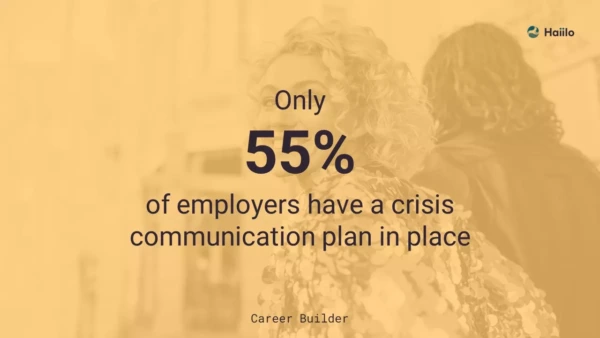
In order to build a strong culture of safety in the workplace, organizations need to build safety communication plans. In other words, your workplace safety strategy will only be as effective as your ability to communicate it clearly, consistently, and at the right moments. Ensuring safety depends not just on policies, but on how well employees understand and remember them in their day‑to‑day work.
A safety communication plan should include a structured set of materials, important company updates, targeted messages, and internal campaigns. All of these need to reach the right employees at the right time, especially in organisations with remote, frontline, and deskless workers. When safety information is timely and easy to access, employees are more likely to act on it.
Beyond timing, relevance and engagement are critical. Safety messages that feel generic or disconnected from daily work are often ignored. When creating your safety communications plan, always ask yourself these questions:
- What are the main messages we want to communicate to support ensuring safety?
- What are the most important safety updates employees need to know right now?
- How and where should important documentation be stored and shared so it is easy to find?
- Which employees need to receive each message?
- How will we segment internal audiences to ensure the right employee gets the right message at the right time?
- What type of content will drive attention, understanding, and engagement?
- Which communication channels are most effective for distributing safety messages?
- Can we reach employees on their mobile phones within seconds when it matters most?
- How will we recognize those who follow the guidelines to encourage better compliance across teams?
- How will we measure the impact of our safety communication campaigns?
5. Involve leadership and encourage employees’ share of voice
Creating safe workplace environments starts at the top. Without leadership buy‑in, it is impossible to consistently amplify safety messages or set clear expectations around behaviour. Employees are far more likely to take safety seriously when leaders visibly do the same.
Senior leadership must set the communication standard by fostering an open and transparent environment. This kind of culture encourages discussion, feedback, and accountability. It also empowers employees to share ideas, report concerns early, and actively contribute to workplace safety initiatives rather than staying silent.
6. Designate a health and safety representative
Not all employees feel comfortable raising safety concerns directly with their managers. For this reason, many organizations appoint designated health and safety representatives who act as a trusted point of contact.
These representatives help bridge gaps between employees and management. They can collect feedback, flag recurring risks, and support ensuring safety by making it easier for concerns to be raised and addressed before they escalate into incidents.
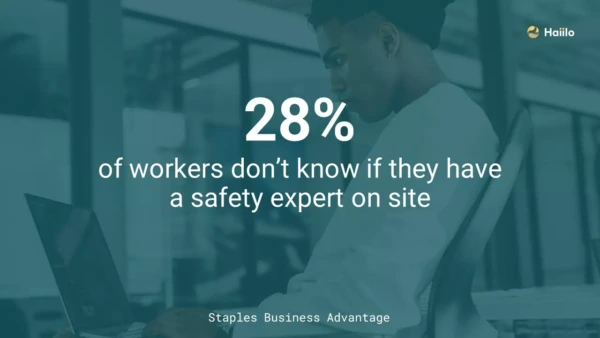
By doing so, employees can confidently and discreetly discuss their concerns with representatives who act as a trusted intermediary between managers and employees. This additional layer of support makes it easier for issues to surface early, before they escalate into incidents that could put people at risk.
However, employers are responsible for enabling these representatives to always be connected with employees, and for ensuring they can reach out in a timely and reliable way. Without fast and direct communication, even well‑intentioned safety roles lose effectiveness. Yet, many organisations still lack the right technology to support this level of connection, which can slow down reporting and weaken efforts around ensuring safety.
7. Build trust and be consistent
Fostering a safety‑centric workplace environment starts with building trust in the workplace. Employees need to trust that their leaders’ number one priority is keeping their employees safe and that raising concerns will lead to action rather than blame.
This type of behaviour does not develop overnight. Building an employee‑centric workplace culture takes time, repetition, and follow‑through. Honest, consistent, and transparent communication plays a critical role here. Regular updates, visible responses to reported issues, and frequent check‑ins all help reinforce trust and show that ensuring safety is not just a statement, but an ongoing commitment.
8. Encourage engagement and participation from employees
A strong safety culture depends on active employee involvement. Employees are often the first to notice unsafe behaviours, faulty equipment, or risky processes, which makes their participation essential for prevention.
In many organisations, employees recognise the importance of speaking up when they see unsafe actions. However, doing so requires confidence, psychological safety, and clear encouragement from leadership. When organisations actively invite feedback, normalise peer‑to‑peer reminders, and recognise those who take responsibility for safety, participation increases.
Encouraging engagement means creating space for dialogue, not just issuing rules. When employees feel heard and supported, they are more likely to look out for one another and contribute consistently to ensuring safety across the workplace.
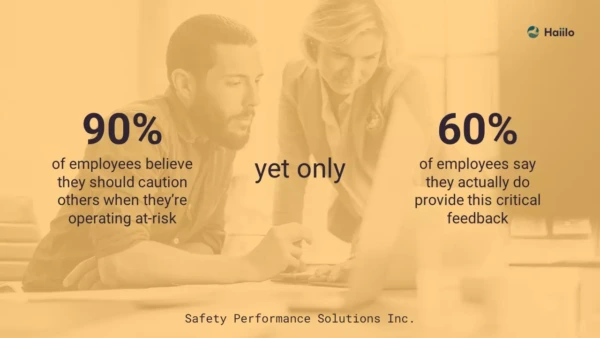
In fact, many employees are open to receiving safety‑related feedback from their peers, but there is often a strong perception gap around this topic. While a large share of workers say they personally welcome peer observations and safety feedback, far fewer believe that their colleagues feel the same way. This mismatch can discourage people from speaking up, even when they notice unsafe behaviour.
Encouraging employees’ engagement, upward feedback, compliance, and active participation are essential prerequisites for building and sustaining a positive safety culture. Ensuring safety works best when employees are treated as contributors rather than passive recipients of rules. Instead of relying on one‑way communication, organisations should actively involve employees in shaping a safer, more risk‑aware working environment.
Here are a few practical tips for driving employee engagement:
- Encourage employees to suggest practical solutions and openly address their concerns to reduce risks and improve safety.
- Enable and empower employees to take part in defining workplace policies and to speak up about safety issues without fear.
- Ask for regular feedback and urge employees to report hazards consistently and early.
- Continuously reinforce the importance of protecting both themselves and their colleagues.
9. Enable easy access to important documents and information
Blue‑collar and frontline workers are often exposed to higher safety risks than office‑based employees. They typically spend most of their time away from company offices and often don’t have designated working spaces or easy access to desktop systems.
These harder‑to‑reach employees need instant access to essential safety materials and documentation on their mobile devices. At the same time, employers must https://blog.haiilo.com/blog/how-does-information-overload-affect-your-business-how-to-stop-it/eliminate information overload by making sure content is clear, relevant, and easy to navigate.
Ideally, employees should have access to personalised employee news feeds where they can consume information that matches their role, location, and specific hazards they may face. This helps ensure safety guidance is not only available, but actually used.
Managers and safety representatives also need reliable ways to send instant updates and safety push notifications, especially when conditions change or immediate action is required. Being able to quickly share trusted information from recognised safety authorities helps reinforce credibility and consistency.
10. Help managers and employees to always stay connected
Supervisors play a critical role in day‑to‑day safety. It is essential to enable managers to keep employees informed about potential hazards, changes in procedures, or emerging risks.
Managers should have access to dedicated safety communication channels where they can share important information and communicate with their teams in real time. Consistent, two‑way communication helps employees feel supported and informed, and it strengthens trust while reinforcing ensuring safety as a shared responsibility.
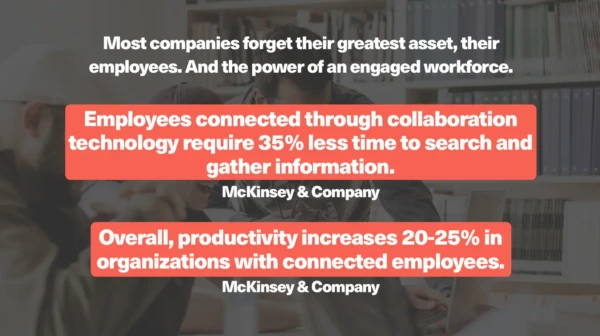
Similarly, when employees notice a potential hazard in the workplace, they should be able to instantly reach their fellow coworkers to inform and alert them. Fast, peer‑to‑peer communication helps prevent incidents before they escalate and reinforces shared responsibility for ensuring safety across teams, shifts, and locations.
11. Recognize those who follow the rules and regulations
In addition to keeping employees informed, it is essential to praise and recognize those who consistently follow safety rules and carry out their work responsibly. Recognition reinforces positive behaviour and shows that safe actions are noticed and valued, not taken for granted.
Acknowledging safe behaviour helps build a more open and positive safety culture. When employees see their peers being recognised, they are more likely to adopt the same habits and take safety guidelines seriously in their own work.
This culture of appreciation is especially effective when organisations want broader support for safety initiatives. Share employee successes, highlight positive examples, give public recognition, and encourage others to join the conversation. Over time, recognition becomes a powerful driver of ensuring safety through everyday behaviour.
12. Measure the impact of your safety communication campaigns
As mentioned earlier, communication in the workplace is a key prerequisite for building and maintaining workplace safety. However, many organisations still lack clear ways to measure the impact of their safety communication efforts on employees’ engagement and overall safety outcomes.
Without measurement, it is difficult to understand which messages resonate, which channels work best, and where gaps remain. Measuring performance allows organisations to refine their approach, improve clarity, and ensure that critical information is actually reaching employees.
Employee communication solutions like Haiilo help internal communicators connect communication efforts to defined business and safety goals. Robust, AI‑powered technology makes it easier to understand how content is consumed, how employees respond, and where improvements are needed. These insights support continuous improvement and help organisations strengthen ensuring safety through more effective, data‑driven communication.
The Power of Technology in Ensuring Workplace Safety
In the past, workplace safety communications were often stored in binders, pinned to notice boards, or shared through static documents. This made it difficult to keep information up to date and nearly impossible to ensure that every employee could access it when they needed it most. As workplaces became more distributed, these limitations created gaps in awareness and slowed down critical safety responses.
At the same time, it was extremely difficult to create and distribute engaging content that employees would actually read and remember. Safety messages were often one‑way, generic, and easy to ignore, which reduced their impact on everyday behaviour. Without the right tools, ensuring safety relied heavily on manual processes and inconsistent communication.
Modern technology has changed this completely. Digital platforms now allow organisations to centralise safety information, update it instantly, and deliver it directly to employees wherever they are. Mobile access, real‑time notifications, and personalised content streams make it easier to reach frontline, remote, and deskless workers with relevant guidance at the right moment. This shift enables ensuring safety to become proactive rather than reactive.
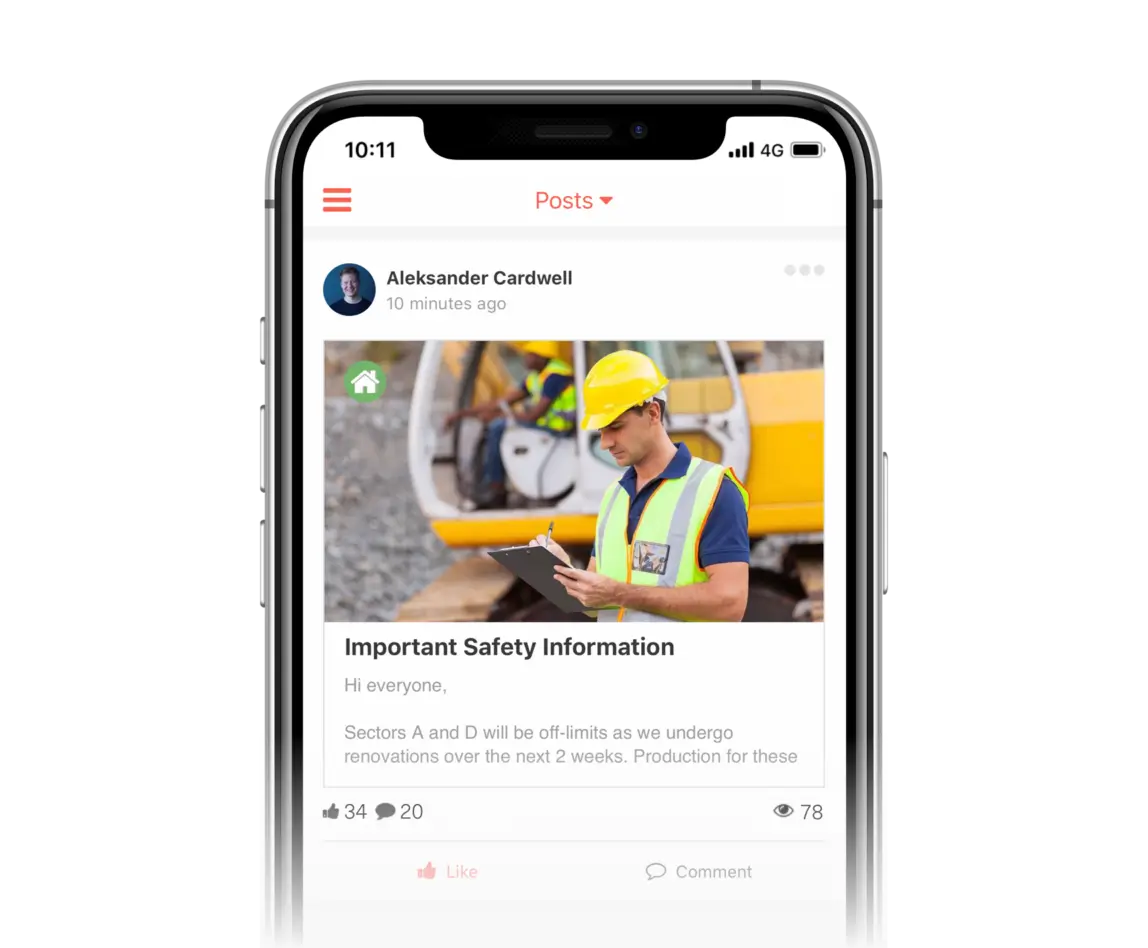
With the emergence of new technology and digital workplaces, this is no longer the case. Today, organizations can ensure that safety information stays accurate, current, and immediately accessible to employees who may be exposed to risk. This shift is especially important in fast‑moving environments where conditions, regulations, or procedures can change quickly.
When supported by the right technology, employers can also design more creative and engaging safety communication campaigns while ensuring higher employee readership. Content that is timely, relevant, and easy to consume is far more likely to be read, understood, and acted on. As a result, organizations achieve higher efficiency, stronger compliance, and better outcomes when it comes to ensuring safety.
Another major advantage of modern employee apps is their ability to reach every employee, regardless of location. Whether people are working at a desk, on the factory floor, travelling for business, or operating remotely, safety messages can reach them in real time. These platforms also bring multiple internal communication channels together in one place, ensuring that the right message reaches the right employees at the right time without duplication or confusion.
An often‑overlooked but critical aspect of effective safety communication is the need to personalise communications. Employees face different risks depending on their role, job function, location, department, language, or level of experience. Personalised messaging helps ensure that guidance feels relevant and actionable, rather than generic. Achieving this level of precision is only possible with technology that supports robust workplace segmentation and targeted delivery.
Fortunately, bulky safety binders filled with outdated procedures are no longer necessary. Digital solutions now provide immediate and easy access to up‑to‑date safety documentation, enabling faster responses to incidents, hazards, or emergencies. By streamlining access to policies, instructions, and standard operating procedures, digital workplace communication plays a key role in ensuring safety and supporting employees when they need information most.
10 Common Workplace Safety Tips for Employees
Even though every work environment is different and employees’ roles can vary significantly, there are some most common workplace safety tips that apply across industries and job functions. These guidelines help employees stay aware of risks, act responsibly, and contribute to ensuring safety in their day‑to‑day work.
Employers often share the following tips with their workforce as a foundation for safer behaviour and stronger safety culture:
- Be aware of your legal responsibilities and understand how safety regulations apply to your role.
- Stay committed to health and safety at work by following procedures and using equipment correctly.
- Get familiar with all potential hazardous situations in your workplace, including those that may change over time.
- Regularly review the latest safety policies and procedures to stay up to date.
- Stay informed about the company’s safety updates, alerts, and communications.
- Identify, assess, and manage hazards within the workplace before they lead to incidents.
- Inform, train, and supervise employees on safe working practices when relevant.
- Ensure that incidents and injuries are reported, recorded, and investigated properly.
- Share your concerns, provide feedback, and suggest practical solutions for improvement.
- Ensure that you are planned and prepared for emergencies, including knowing what to do and who to contact.
Following these basic principles helps employees protect themselves and others, reduces avoidable risks, and supports ensuring safety as a shared responsibility across the organisation.
Top 10 Workplace Safety Threats by OSHA
Now that we have covered some of the best workplace safety practices and tips for employees, let’s take a closer look at the most common issues that contribute to hazardous workplace environments. Identifying these recurring risks is essential for ensuring safety, as they are often linked to serious incidents, injuries, and regulatory violations when left unaddressed.
According to OSHA, the top 10 areas for which citations are most frequently issued highlight where organisations tend to fall short in protecting their workforce. These areas are especially important for employers to monitor, communicate, and address proactively as part of a comprehensive workplace safety strategy:
- Forklifts
- Hazard communication
- Electrical wiring methods
- Electrical system design
- Guarding openings
- Exits
- Mechanical power transmission
- Respiratory protection
- Lockout/tagout
- Portable fire extinguishers
These categories point to common breakdowns in training, communication, equipment maintenance, and procedural compliance. For many organisations, the risks are not caused by a lack of rules, but by gaps in awareness, outdated information, or inconsistent enforcement.
Find
your
flow
Bring communication, knowledge, and tools into one calm place — and help your people find their flow.