
What is AI readiness? The foundation most organizations are missing
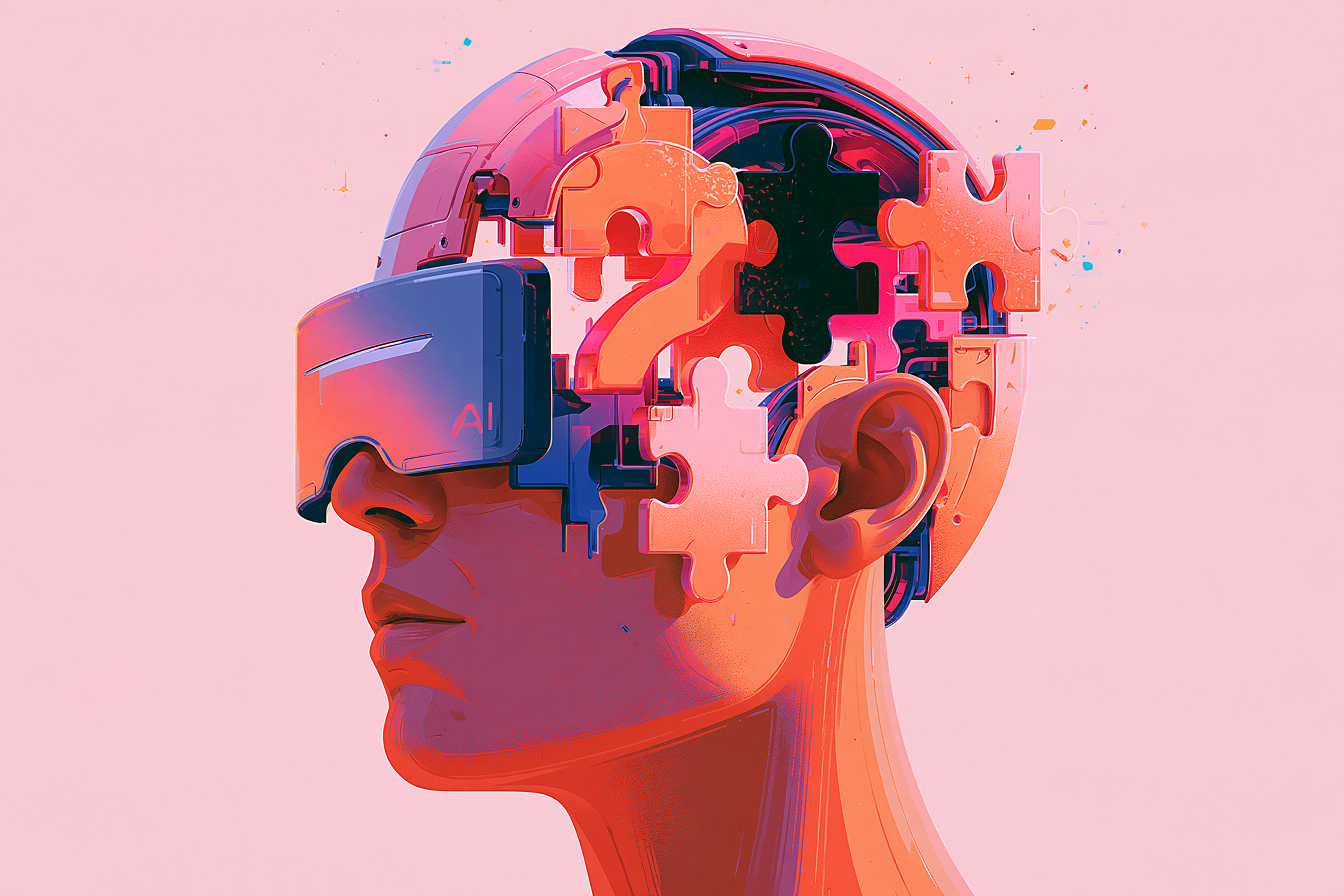


Everyone wants to be “AI-ready”.
Organizations are investing billions into assistants, agents, and generative AI tools. Almost every board agenda includes AI. Every software vendor promises AI-powered productivity. Every leader is asking how their business can “10x”.
But there's a problem.
Most conversations about AI readiness focus on the technology itself.
Questions like “which model should we use?”, “which assistant should we deploy?”, or “which platform should we buy?” Those questions matter, but they're not the ones determining success.
Because AI readiness isn't about having access to AI. It's about whether AI can access knowledge your organization can trust – and for many organizations, that's where things start to unravel.
The AI readiness myth
There's a common assumption that becoming “AI-ready” means implementing new technology.
Buy Copilot, deploy some agents, train employees on prompting: job done. The reality is much messier.
According to McKinsey's 2025 State of AI report, 78% of organizations now use AI in at least one business function, up from 72% the previous year. AI adoption is accelerating rapidly across almost every industry.
Yet despite widespread investment, many organizations continue to struggle to get meaningful value from AI.
That’s mainly because AI doesn't operate in isolation. It works on top of the information, systems, processes, and knowledge that already exist inside your organization.
If those foundations are weak, AI simply exposes the weaknesses faster.
💡Read: The Looming AI Knowledge Crisis
If your organization struggles to find reliable answers today, adding AI doesn't automatically solve the problem. It just helps people find unreliable answers faster.
What is AI readiness?
AI readiness is an organization's ability to deploy AI confidently because it trusts the knowledge, processes, and governance supporting it.
In simple terms:
AI readiness means being able to trust the answers AI gives your employees.
That's it.
Because when employees ask AI questions like:
- What's our parental leave policy?
- Which process should I follow?
- Can I share this customer data externally?
- What's the latest version of this document?
- Who approves this request?
They're testing the organization. And the quality of the answer depends entirely on what sits underneath the technology.
The hidden challenge nobody talks about
Most organizations don't have an AI problem. They have a knowledge problem.
Over the past 20 years, businesses have accumulated enormous amounts of information:
- SharePoint sites
- Wikis
- PDFs
- Team folders
- Policies
- Process documentation
- Knowledge bases
- Meeting notes
- Chat messages
The resulting information is... overwhelming.
According to IDC, global data creation continues to grow at an extraordinary rate, with organizations generating and managing more information than ever before. Meanwhile, employees spend significant portions of their working weeks searching for information or recreating knowledge that already exists somewhere else.
💡Read: The State of the Employee Experience 2026
The challenge is knowing whether that information is right.
Why AI changes everything
Before AI, bad information spread at human speed. Which was always annoying, but manageable.
AI changes the scale completely. Suddenly that outdated document isn't confusing one employee, it's influencing every answer generated from that source.
A policy that nobody reviewed for three years becomes part of hundreds or thousands of interactions, while a duplicate process guide becomes a source of conflicting recommendations.
Forget hallucinations, the real problem is that AI confidently presents information that already exists, whether it's accurate or not. And confidence is persuasive.
Luckily, there are some steps you can take right now to get “AI ready”.
The five pillars of AI readiness
Organizations that successfully implement AI tend to have strong foundations in five key areas.
1. Trusted knowledge
The first question every organization should ask is:
“Can employees trust the information AI is accessing?”
If you have multiple versions of the same policy, conflicting documentation, or outdated processes, AI cannot reliably identify the correct answer.
The quality of the answer depends on the quality of the source. Always.
2. Clear ownership
Many organizations have thousands of documents but no clear accountability.
Who owns the onboarding guide? Who reviews the leave policy? Who updates process documentation?
Without ownership, information gradually becomes less reliable over time.
AI readiness requires answerable questions about accountability. So somebody needs to own critical knowledge.
3. Governance
Governance is not glamorous.
For years it was treated as administrative housekeeping.
AI changes that.
Metadata, review cycles, approvals, content standards, and information architecture suddenly become business-critical.
Governance doesn't just protect information anymore. It directly impacts AI – and buisness – performance.
4. Discoverability
Knowledge has no value if you can’t find it.
AI can help employees surface information faster, but discoverability still matters.
Organizations need clear, structured information environments that make it easy to identify authoritative content.
Otherwise AI ends up drawing from a mixture of trusted and untrusted sources.
5. Employee trust
This pillar is often overlooked.
The most sophisticated AI in the world won't deliver value if employees don't trust the answers. And trust comes from consistency.
When employees repeatedly receive accurate answers, confidence grows. When answers conflict with experience, trust quickly disappears.
AI adoption and employee trust are inseparable.
💡Read: How to make AI really boring (& why that’s a good thing)
How to assess your AI readiness
Before investing more in AI, ask some uncomfortable questions.
Knowledge questions
- How much content has(n't) been reviewed in the last year?
- How many versions of critical documents exist?
- Can employees easily identify authoritative information?
- Do important policies have named owners?
Governance questions
- Is content regularly reviewed?
- Are outdated resources archived?
- Is there a consistent approval process?
- Are responsibilities clearly assigned?
Trust questions
- Do employees trust internal information sources?
- How often do employees receive conflicting answers?
- How frequently do they rely on colleagues rather than official channels?
- Are teams creating their own workarounds?
If you struggle to answer these questions, your biggest AI opportunity may not be AI at all.
More likely, it’s fixing the foundation underneath it.
Why the winners won't have “the best AI”
This is where many organizations get distracted.
They assume the AI race will be won through technology. The newest model. The smartest assistant. The best agent.
But technology advantages rarely last. Knowledge advantages do.
Over time, most organizations will have access to broadly similar AI capabilities.
The difference will come from the quality of information feeding those systems.
The organizations that win won't simply have smarter AI.
They'll have:
- Better knowledge governance
- Cleaner information environments
- Clear ownership structures
- Higher employee trust
- Stronger organizational understanding
In other words, they'll have stronger foundations. And AI will amplify that advantage.
How Haiilo helps
Most organizations don't need more information. They need more trusted knowledge.
Haiilo helps organizations create a stronger foundation for AI by bringing together knowledge management, governance, ownership, and employee experience in a single platform. Employees can find trusted answers faster, while organizations gain greater visibility into the quality, relevance, and ownership of their knowledge.
Because successful AI doesn't start with a better prompt.
It starts with knowledge you can trust.
FAQ: What is AI readiness?
AI readiness is an organization's ability to trust the answers AI provides. It means having reliable knowledge, clear ownership, strong governance, and processes that enable AI to work from accurate, up-to-date information.
No. Deploying Copilot, chatbots, or AI agents is only one part of the equation. AI can only be as effective as the information it accesses. If your knowledge is inaccurate or outdated, AI will amplify those problems.
Many organizations have a knowledge problem, not a technology problem. AI sits on top of existing content, policies, processes, and systems. When those foundations are weak, employees receive inconsistent or unreliable answers.
Five areas matter most: trusted knowledge, clear ownership, governance, discoverability, and employee trust. Together, they determine whether AI can provide accurate and helpful responses.
True AI readiness starts with knowing which information is authoritative, who owns it, and whether it's up to date. Without that foundation, AI initiatives are built on shaky ground.
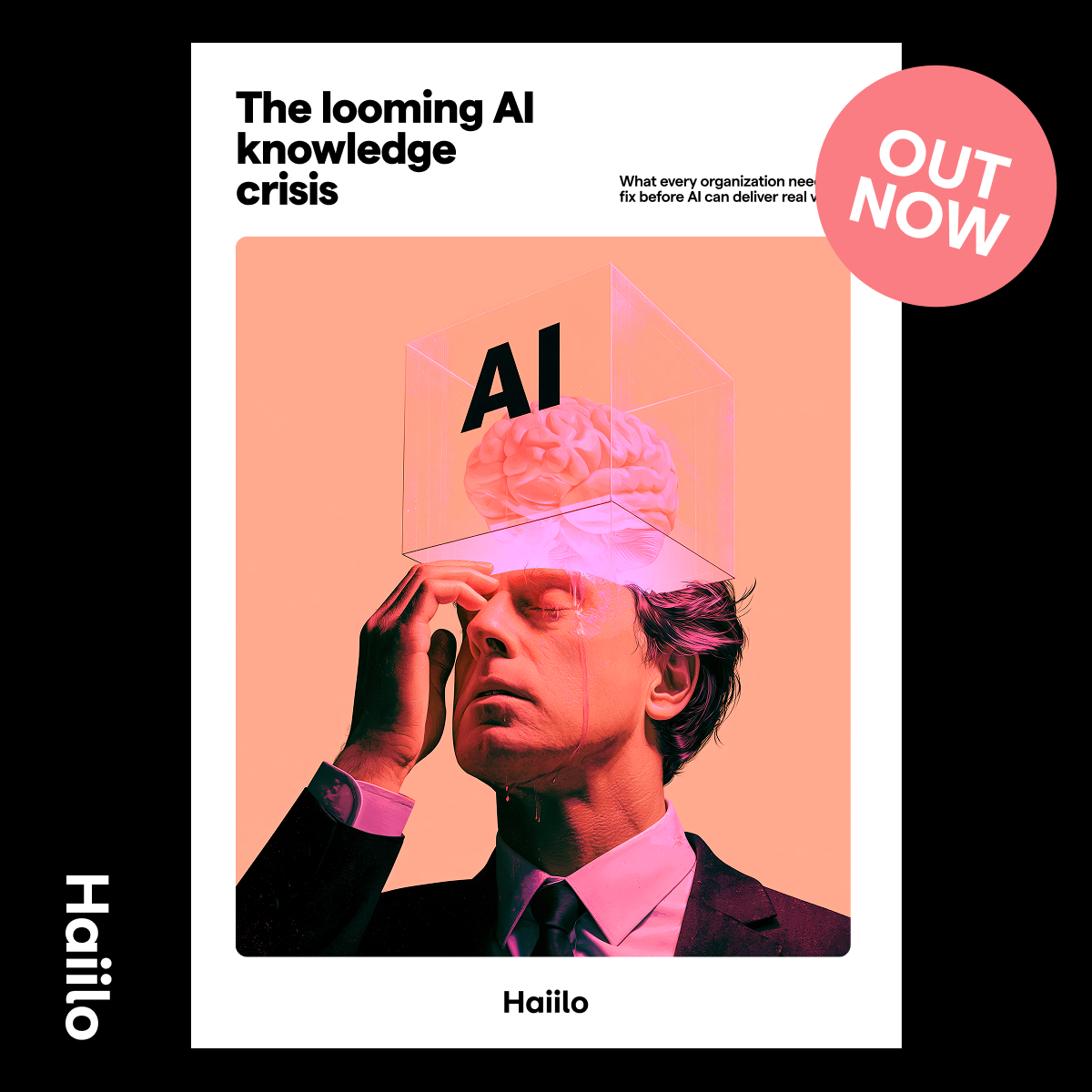
The looming AI knowledge crisis
Read all about it (and what to do next) in our latest report
Find
your
flow
Bring communication, knowledge, and tools into one calm place — and help your people find their flow.