
Workplace teamwork is breaking down — here’s how to fix it



Improving teamwork in the workplace has become one of the main priorities for many employers across the world. At the same time, it has also become one of the hardest challenges for remote and hybrid organisations to solve in practice.
Even though some people believe the pandemic is firmly behind us, the way it reshaped how teams work together is permanent. Expectations around flexibility, autonomy, and trust have fundamentally changed.
Employees and teams have experienced the benefits of more flexible work. Many have proven that where they work matters far less than how they work. Productivity, focus, and output can remain high outside the traditional office. As a result, a growing number of employees are unwilling to return to the office full time or accept rigid location-based rules.
However, the biggest challenge for remote and hybrid work is team collaboration and team communication. Without shared spaces and spontaneous interactions, misalignment happens faster. Information gets fragmented. Relationships take longer to build. Small issues can escalate simply because teams are no longer in the same room.
Today, when workplace teamwork is a prerequisite for organisational success and a healthy corporate culture, employers need to be more intentional. They must find ways to reduce the downsides of distributed work while actively supporting connection, clarity, and trust. This means rethinking how teams share information, make decisions, and collaborate day to day, not just where they sit.
As agreed by many experts, teamwork in the workplace brings clear advantages for performance, engagement, and resilience. To understand why it matters more than ever, let’s take a closer look at the facts that show the real impact of strong teamwork inside modern organisations.
Make workplace teamwork effortless with a proper internal comms platform
1. Despite Remote Work, Teamwork In the Workplace Is In the Rise
According to recent research, many employees now spend a large share of their working week engaged in collaborative work, including meetings, messaging, and coordination across tools. As work becomes more distributed, collaboration has not disappeared—it has intensified and shifted into digital spaces. Cross-functional communication and collaboration are now standard expectations in modern roles, reflecting how essential workplace teamwork has become for getting work done.
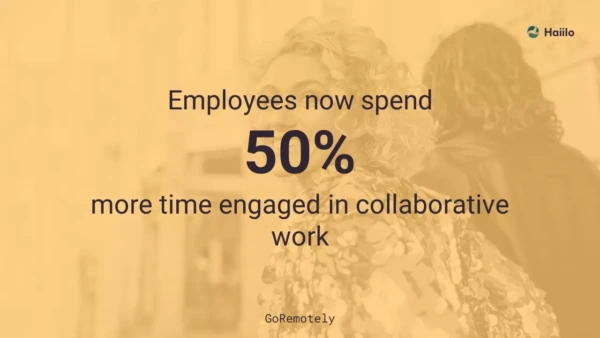
With that, teamwork has become one of the most important communication skills and one of the most desired traits among employees today.
Because employees are no longer physically connected in the same way, the need for strong workplace teamwork and more intentional collaboration has increased. Teams now rely far more on written updates, shared tools, and structured processes to stay aligned.
The shift from synchronous to asynchronous communication makes it harder for individuals to stay connected. Quick questions turn into long threads, context gets lost, and feedback loops slow down. This is why many organisations today place a stronger focus on teamwork and clearer collaboration practices.
💡Learn about 20 ways to engage with your remote employees!
2. Most Employees Consider Teamwork as “Very Important”
Employers are well aware of the importance of teamwork in the workplace. Across industries, collaboration is consistently ranked as a critical skill for both individual and organisational success. Most employers rate teamwork as very important, with the remainder still considering it an essential part of effective performance.
Traditionally, working in silos was common and often encouraged. Individual output and personal achievements were the main indicators of success. Today, the reality looks very different. Modern organisations rely more on shared goals and team OKRs, where outcomes depend on collective effort rather than individual contribution alone.
Furthermore, one of the most common EVP messages and core company values companies communicate today is “teamwork”. Recognising the impact of strong collaboration on engagement and results, many organisations are actively working to embed workplace teamwork into their culture, processes, and leadership behaviours.
3. Inefficient Team Collaboration Is the Reason Why Projects Fail
Highly connected teams are more successful at delivering projects on time and at the expected quality level. This becomes even more important when initiatives require cross-departmental input, which is now the norm for most workplace projects.
When collaboration breaks down, projects suffer. Poor alignment, unclear ownership, and inconsistent communication often lead to delays, rework, and missed expectations. In many organisations, ineffective collaboration and weak communication remain among the most common reasons workplace initiatives fail, highlighting just how critical strong workplace teamwork really is.
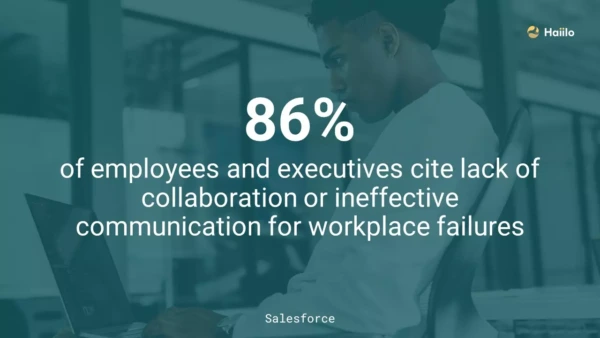
When a project is delivered by a product team in a software company, it rarely succeeds in isolation. That initiative usually needs close support from marketing, sales, customer success, and other engineering teams.
The effectiveness of this cross-functional collaboration often determines the level of project success. When teams align early, share context, and coordinate execution, projects move faster and deliver better outcomes. When they don’t, delays, rework, and frustration quickly follow.
Yet, many employees feel collaboration inside their organisation still falls short. Siloed thinking, unclear ownership, and the growing reliance on asynchronous communication can all slow teams down. Messages are missed, context is lost, and coordination becomes harder than it needs to be. As a result, many organisations are still learning how to adapt to new ways of working and how to get the most out of digital workplaces.
💡Listen in to our podcast Rethinking How We Network: The Bill Gates Mindset!
4. Teamwork in the Workplace Reduces Employee Turnover
Teamwork and strong workplace relationships have a clear impact on employee engagement, morale, wellbeing, and retention. When employees feel connected to their colleagues and part of a supportive team, they are more likely to stay motivated and committed over time.
Today, as job mobility continues to increase, it is in every employer’s interest to retain their people and stop them from leaving. Compensation and benefits matter, but they are rarely enough on their own. Day‑to‑day experiences, peer relationships, and a sense of belonging play a major role in whether employees choose to stay.
Good teamwork strengthens those relationships. Employees who trust their teammates, feel supported, and enjoy working together are more likely to build long‑term careers within the same organisation rather than looking elsewhere.
5. Most Teams Depend on Technology to Collaborate Efficiently
The role of technology in enabling teamwork in the workplace is now essential. Distributed and hybrid teams depend on technology to collaborate effectively, share information, and stay aligned across locations and time zones.
Modern workplace tools also support enable asynchronous communication, allowing teams to work flexibly without relying on constant meetings or real‑time availability. This makes collaboration more inclusive and scalable, especially as teams grow or become more global.
Without the right tools in place, teamwork slows down. Information becomes harder to find, conversations fragment across channels, and collaboration requires unnecessary effort. With the right technology, teams can work together more smoothly, regardless of where or when they work.
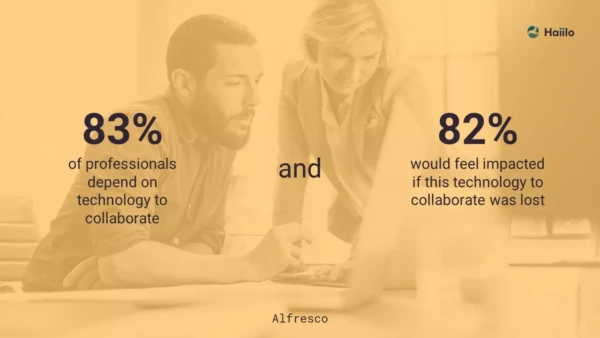
However, organisations are often challenged by understanding the different types of workplace technology and their impact on employee engagement and productivity. Adding too many disconnected tools can quickly become counterproductive and frustrating for employees, especially when information is spread across platforms.
This is why it is crucial for companies to choose solutions that are flexible, scalable, easy to use, and accessible to every employee—regardless of location or role. It is equally important that the technology is secure and integrates smoothly with the organisation’s existing tech stack, so collaboration supports work instead of slowing it down.
6. Teamwork in the Workplace Results in Higher Profitability
One of the main reasons employers continue to invest in workplace teamwork is its direct connection to business performance. When teams collaborate well, work moves faster, decisions improve, and outcomes become more predictable—contributing to greater overall profitability.
Connected teams are typically more aligned with organisational goals and clearer on priorities. They share context more effectively, reduce duplication of effort, and support each other in solving problems. Strong workplace teamwork also drives higher individual engagement, which compounds into better results at a team and company level.
💡Since teamwork in the workplace has a strong influence on motivation, explore these 15 tips for increasing employee motivation!
7. Virtual Team Building Activities Are More Popular Than Ever
As remote and hybrid work became more common, organisations began actively looking for new ways to maintain connection and trust across distributed teams. This led to a sharp rise in interest in online and virtual team building activities, which help teams build relationships beyond day‑to‑day tasks.
Virtual team building has evolved from a temporary response into a long‑term practice. When done well, these activities support workplace teamwork by strengthening social bonds, improving communication, and helping employees feel part of a shared culture—even when they rarely meet in person.
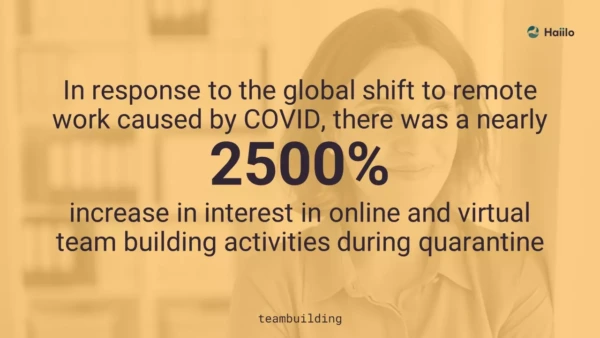
The purpose of team building is to foster a sense of belongingness and employee connectedness. The fact that your employees can’t meet in person doesn’t mean that you shouldn’t find ways to help them connect. Even fully remote teams can build meaningful relationships when interaction is intentional and inclusive. Virtual team‑building activities give employees space to talk, share experiences, and feel seen as people, not just roles. Over time, this can support employee wellbeing and sustain productivity by reducing feelings of isolation and disengagement.
💡Your corporate culture plays a big role in driving more teamwork and collaboration in the workplace. Check out our guide for building a great corporate culture!
8. Socially Isolated Teams Are Less Productive
Social isolation made the pandemic one of the most difficult periods in many people’s careers. Employees often felt stressed, uncertain, and lonely at the same time, while trying to stay productive and connected from a distance.
In the same way strong workplace teamwork can lift performance, prolonged isolation can quietly reduce it. When employees feel disconnected, collaboration slows down, motivation drops, and misunderstandings become more common. While remote and hybrid work make isolation more likely, it should never be treated as unavoidable. Supporting connection, communication, and shared experiences is essential for protecting both wellbeing and performance.
💡Check out our advice for boosting employee morale in these trying times!
9. Good Workplace Relationships Result in Higher Engagement
Good teamwork is often built on strong workplace relationships. When people trust each other and feel comfortable working together, they are more likely to be engaged, motivated, and satisfied with their work. These relationships create a sense of safety and belonging that allows employees to contribute ideas, ask questions, and collaborate openly.
Employees spend a large part of their day at work, so having positive relationships with colleagues makes a meaningful difference. Teams with healthy connections tend to communicate more effectively, resolve conflict faster, and support each other during busy or challenging periods. This directly strengthens workplace teamwork and long‑term engagement.
💡Don’t forget that managers play a critical role in shaping engagement and connection within teams.
Enabling Teamwork In YOUR Workplace
As previously mentioned, workplace technology significantly impacts how employees collaborate and stay connected at work. It is more important than ever for teams to maintain strong peer connections and for employers to reach every employee with important information, regardless of role or location.
Employee communication apps can also reduce the time employees spend searching for relevant information. Modern platforms are designed to serve the right information to the right employees at the right time, helping teams stay aligned without unnecessary noise.
At the same time, technology makes workplace communication more efficient and measurable. It encourages employees’ share of voice and supports frequent, honest, and transparent organizational communication, which are essential foundations for strong workplace teamwork.
If this is something you are looking for in your organization, schedule a Haiilo demo and learn why and how companies use it to drive more teamwork in the workplace.
FAQ: Workplace teamwork
What does workplace teamwork really mean today?
Workplace teamwork is no longer just about people working side by side. In modern organisations, it’s about shared goals, clear ownership, and strong communication across teams—often without being in the same place. Effective workplace teamwork means employees know where to find information, how decisions are made, and how their work connects to others. This becomes even more important for remote and hybrid teams, where alignment doesn’t happen by default. This guide to remote teams explains why structure and visibility are critical for teamwork today.
How can companies improve workplace teamwork in hybrid or remote environments?
The biggest driver is clear, consistent communication. Teams need fewer scattered messages and more shared context around priorities and progress. Creating a central space where employees can connect, collaborate, and stay informed reduces friction and confusion. Tools like a social intranet or dedicated employee communications platform help teams work together without relying on disconnected tools. Strong team communication habits, like those outlined in this guide to team communication, make workplace teamwork far more sustainable.
Why is workplace teamwork so closely linked to engagement and performance?
Strong workplace teamwork helps employees feel connected, supported, and aligned with their work. When people understand how their efforts contribute to shared outcomes, motivation increases and distractions decrease. This creates better conditions for focus and deep work, often referred to as a flow state. You can learn more about this in Haiilo’s article on what a flow state is. Teams that collaborate well also share feedback more openly, which improves performance and engagement over time.
What tools best support workplace teamwork at scale?
The most effective tools support communication, engagement, and accessibility for all employees. Platforms focused on employee engagement help teams feel involved and connected, while a mobile app ensures everyone can participate, including frontline and deskless workers. When tools are easy to use and fit naturally into daily work, workplace teamwork becomes part of how teams operate—not an extra task.
Find
your
flow
Bring communication, knowledge, and tools into one calm place — and help your people find their flow.