
Office communication problems slowing your team? here’s how to fix them



The importance of communication in the workplace has been proven many times already. However, the need to improve office communication has become a top business priority in recent years and continues to grow as teams become more distributed and fast-moving.
In this blog, we will go over the most important reasons why good communication in the workplace drives both employee and organizational success. You will also learn how stronger office communication helps teams stay aligned, avoid misunderstandings, and make better decisions faster.
The Increasing Importance of Communication in the Workplace
Today, communications professionals are one of the most important strategic business partners within organizations. Their role has expanded far beyond traditional messaging. They now help shape employee engagement, strengthen culture, and support productivity across teams. Strong office communication is no longer optional—it directly impacts how well a business performs and adapts.
With the emergence of remote work and dispersed workplaces, many organizations are trying to completely reshape their communication efforts. Teams are no longer in one place, which makes clarity, consistency, and accessibility more important than ever. Without effective office communication, information gets lost, collaboration slows down, and employees feel disconnected.
Since the awareness of the importance of workplace communication culture is continuously increasing, employers’ appetites for improving communication and collaboration in their own organizations are also on the rise. Leaders are investing more in tools, processes, and strategies that make communication simpler and more transparent, especially across departments and locations.
Before we dig deeper into the reasons why communication in the workplace is important, here is a short overview.
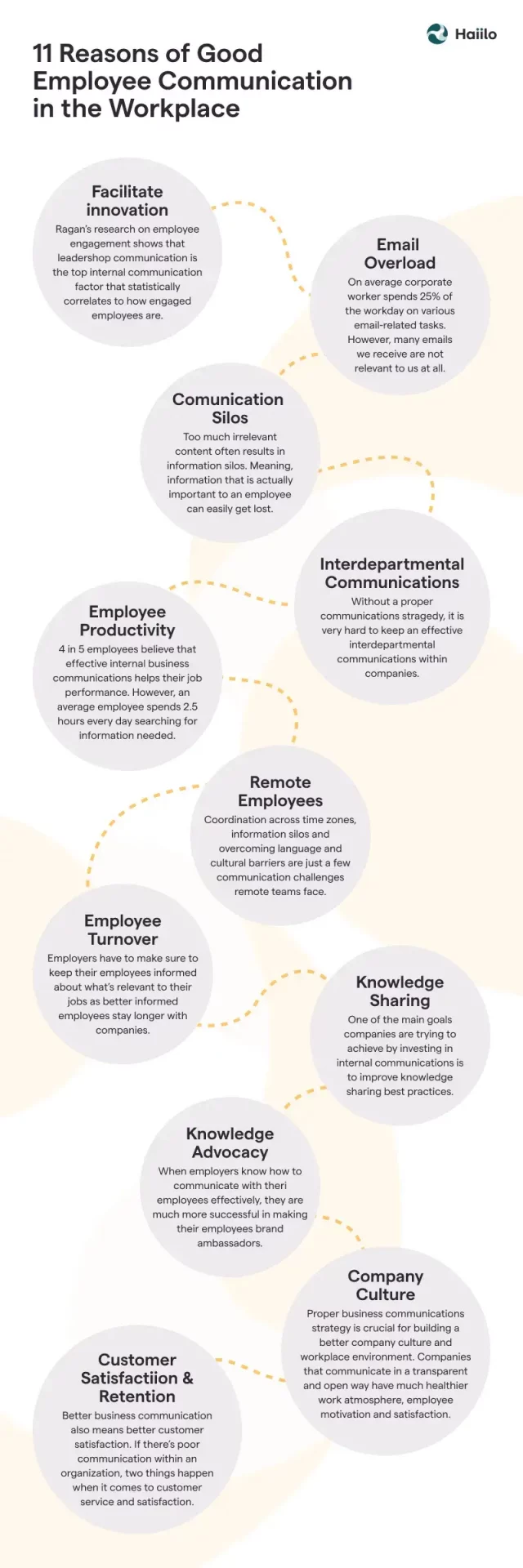
10 Reasons Why Communication in the Workplace is Important
Proper workplace communication has many benefits. More specifically, it enables organizations to become more agile and achieve better workplace alignment. It also improves some of the most important KPIs around employee retention, engagement, motivation, and talent attraction by ensuring that employees understand expectations and feel connected to the bigger picture.
Proper employee communication also helps organizations navigate change more smoothly and respond faster in times of uncertainty. Clear office communication reduces confusion, supports safer workflows, and minimizes the risk of errors or workplace-related incidents. In addition, a well-structured communication strategy creates space for new ideas, making it easier for teams to collaborate and drive innovation.
Let’s now take a deeper dive into how organizations can benefit from investing in creating and managing better internal communications.
📹 Before we move on, check out our Masterclass about the importance of internal comms in business
1. Achieve organizational alignment
One of the biggest challenges companies face is ensuring that everyone is working toward the same goals. Without clear office communication, teams often operate in silos, which leads to mixed priorities and slower progress.
When communication is consistent and easy to access, employees better understand company objectives, their own role, and how their work contributes to overall success. This shared understanding helps teams stay focused, reduces duplication of work, and improves decision-making across the organization.
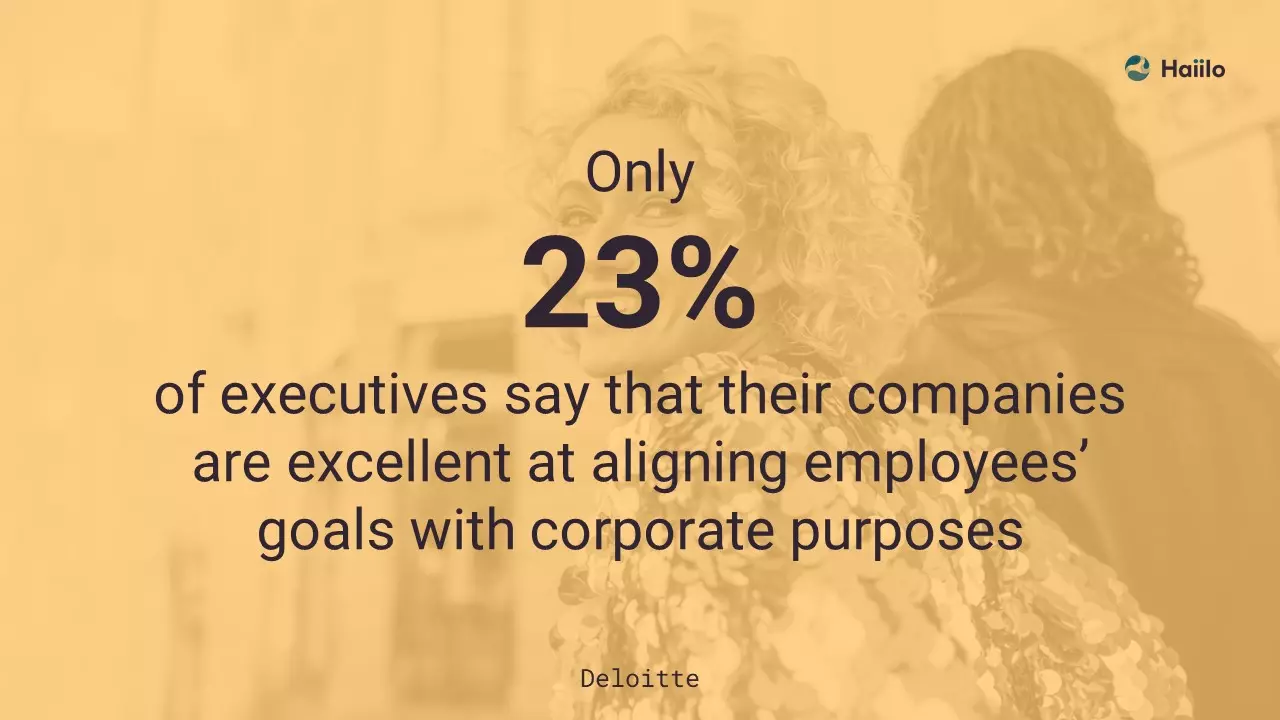
The biggest culprit for such a low number is poor communication. Aligning employees with shared core values, purpose, mission, and vision is one of the main tasks for leaders, managers, and internal communication departments. Without strong office communication, these elements remain unclear, and employees struggle to see how their daily work connects to broader business goals.
2. Increase employee engagement and productivity
Employees are more motivated when their leaders keep them up-to-date and regularly share important company updates. Clear and consistent office communication helps employees feel included, valued, and informed, which directly impacts how engaged they are in their work.
Additionally, organizations in which employees are constantly connected tend to experience smoother collaboration and fewer delays. When people have easy access to the information they need, they can make faster decisions, reduce back-and-forth, and focus more on meaningful work instead of chasing updates or clarifications.
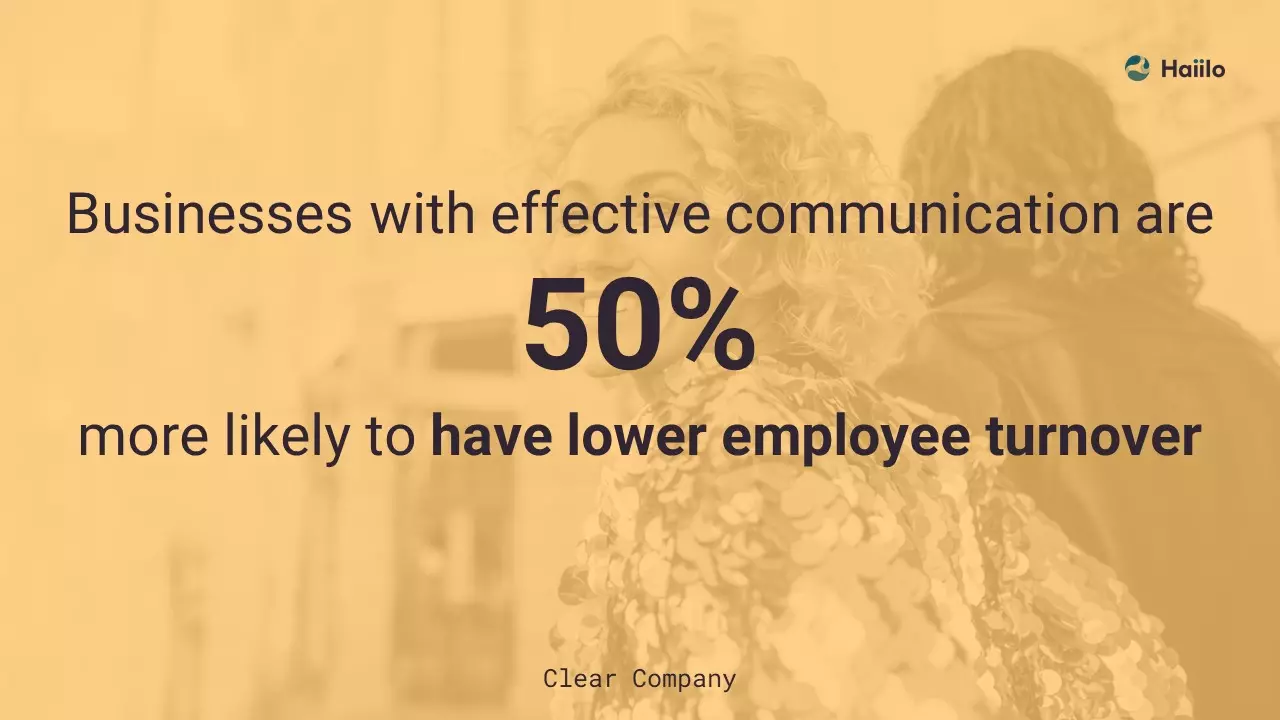
3. Reduce employee turnover
When employees are not left in the dark and when they are encouraged to provide bottom-up feedback, they are also more likely to stay longer with their employers. Transparent office communication builds trust and creates a sense of belonging, both of which are critical for long-term retention.
When people feel heard and informed, they are less likely to disengage or look for opportunities elsewhere. Strong communication also helps managers identify concerns early and address them before they grow into bigger issues that could lead to employee turnover.
4. Enable your frontline workers for success
A commonly cited challenge in many organizations is that deskless and frontline employees often feel disconnected from company communication. When office communication does not reach them effectively, they miss important updates, feel overlooked, and struggle to stay aligned with company goals.
These gaps have a direct impact on motivation, engagement, and performance. Frontline workers need timely, relevant information that is easy to access on the go. Even though reaching deskless employees can be challenging, modern workplace tools now make it much easier to deliver targeted messages, gather feedback, and keep everyone informed—regardless of location or role.
5. Improve crisis management and workplace safety
Some of the biggest advantages of good communication in the workplace are easier crisis management and improved workplace safety. When information flows quickly and clearly, organizations can respond faster and reduce uncertainty during critical situations.
Organizations with employees who operate in dangerous or risky environments need to be especially aware of the benefits of frequent and consistent workplace communications. Strong office communication ensures that safety procedures, alerts, and updates reach the right people at the right time, helping prevent accidents and protect employees.
Clear communication also helps teams stay calm and coordinated during crises. When employees know what is happening and what actions to take, they can respond with confidence instead of confusion.
6. Optimize change management initiatives
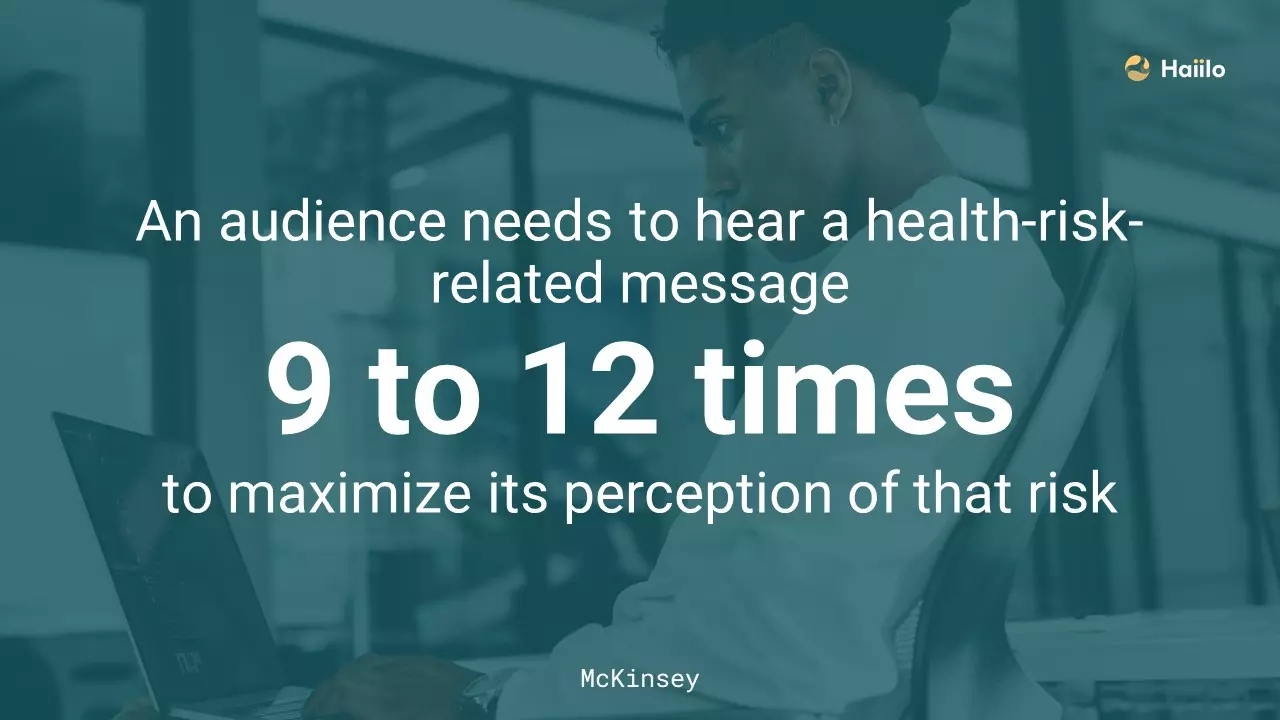
Lack of effective workplace communication is one of the most common reasons why change initiatives fail. When employees don’t understand what is happening, uncertainty and resistance quickly grow. This is where clear office communication becomes critical.
As most employees don’t like leaving their comfort zone, it is employers’ job to communicate change in a way that is simple, transparent, and consistent. Leaders need to clearly explain:
- Why the change is happening?
- What the change entails?
- What are the benefits of the change?
- How the change will impact employees?
When these questions are answered early and communicated repeatedly, employees are more likely to accept change, stay engaged, and actively support new initiatives instead of resisting them.
7. Make remote work more efficient
Remote work makes communication among employees and between employees and managers harder. Without in-person conversations, teams rely heavily on digital channels, which can easily lead to misunderstandings or information gaps. That’s why strong office communication is essential in remote environments.
Yet, remote work is here, and it is here to stay. This new trend is surely becoming the new normal in the business world. Companies that fail to adapt their communication approach risk slower workflows, reduced collaboration, and lower employee engagement.
Clear guidelines, regular updates, and the right communication tools can make a major difference. When employees know where to find information and how to communicate effectively, remote work becomes more structured, productive, and less frustrating for everyone involved.
Therefore, proper workplace communication can have a very positive impact on improving remote work by keeping teams aligned, responsive, and connected regardless of location.
8. Improve interdepartmental collaboration
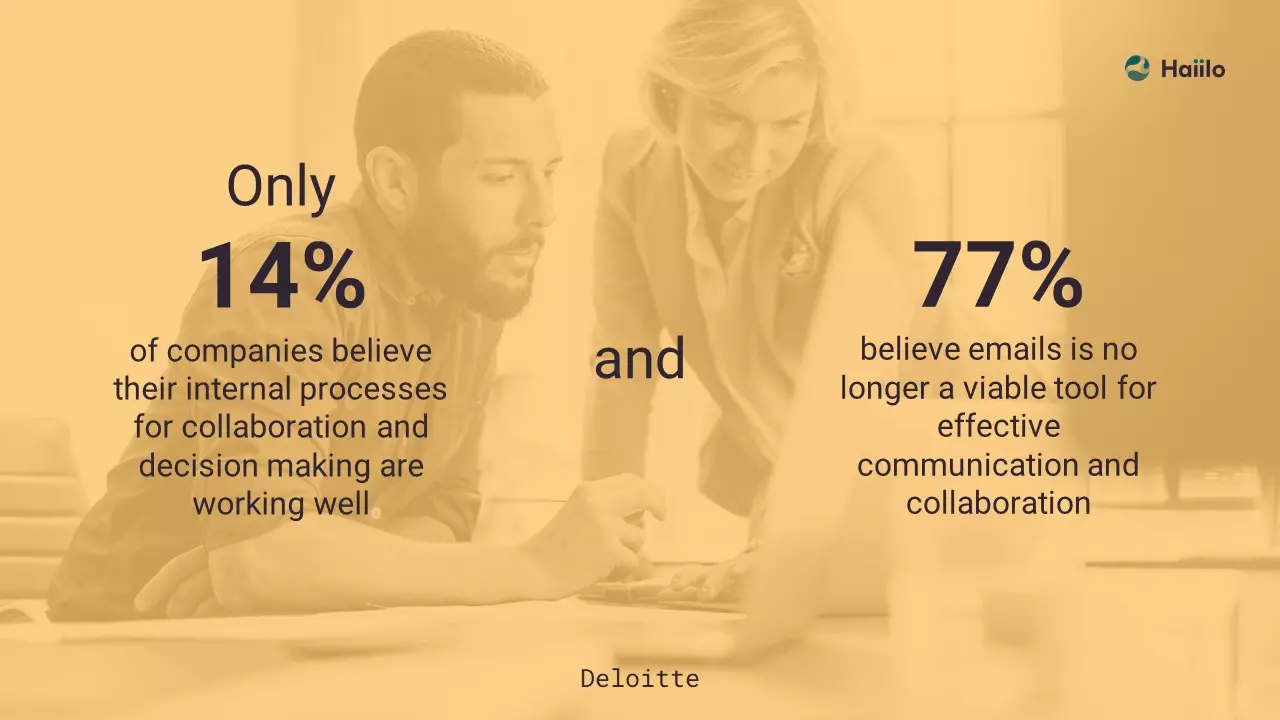
Today, different departments in organizations can’t work in silos. Cross-functional collaboration is essential to deliver consistent customer experiences and achieve business goals. However, this only works when information flows freely across teams.
Interdepartmental collaboration is less efficient in organizations that don’t support transparent, honest, and open workplace communication. When teams lack visibility into each other’s work, projects slow down, priorities clash, and mistakes become more common.
Strong office communication helps break down these silos. It ensures that teams share updates, align on goals, and understand how their work connects with others. As a result, collaboration becomes smoother, faster, and far more effective.
9. Drive innovations and knowledge sharing
When there is good interdepartmental communication among teams, knowledge workers are more likely to share their expertise with others in the organization. Strong office communication makes it easier to exchange ideas, document insights, and learn from one another.
This kind of knowledge sharing is especially important as many organizations face growing skill gaps. When employees can easily access internal knowledge and best practices, they become more effective in their roles and can solve problems faster.
Additionally, organizations in which information flows smoothly and teams collaborate easily enjoy more workplace innovations. Open communication encourages experimentation, sparks new ideas, and helps teams build on each other’s thinking instead of working in isolation.
10. Make employees brand ambassadors
Last but not least, proper communication in the workplace is important because it encourages employees to become brand advocates. When employees are well-informed and aligned with company values, they are more confident sharing company messages externally.
One of the biggest prerequisites for every successful brand ambassadorship program is efficient organizational communication. Clear and consistent office communication ensures that employees understand key messages and feel motivated to represent the company.
In other words, through effective communication and the right tools, organizations can turn employees into trusted voices who amplify company stories, strengthen employer branding, and increase overall visibility.
6 Ways to Improve Communication in the Workplace
As you saw earlier in this blog, the impact of workplace communications on the overall business success is significant. Organizations that invest in corporate communications efforts are more successful in inspiring their people and motivating them to work towards the same goals and business objectives. Strong office communication helps ensure that everyone understands priorities and can act on them quickly.
Even though this is not so easy to achieve, there are certain rules and best practices that every employer should follow. Improving office communication requires consistency, the right tools, and a clear strategy that supports both leadership and employees. Let’s take a look at them.
Continuously promote the culture of open communications
Business communications should always be an important piece of your company culture. In order to drive positive corporate culture and healthy communications in the workplace, employers have to continuously remind their employees about the importance of open and honest communications. This includes encouraging feedback, asking questions, and making it safe for employees to speak up.
Here, internal communications professionals have to work in collaboration with leaders and managers. They should all be on the same page when it comes to understanding the importance of workplace communications. When leadership actively models transparent office communication, employees are far more likely to follow.
Make communications more personal and engaging
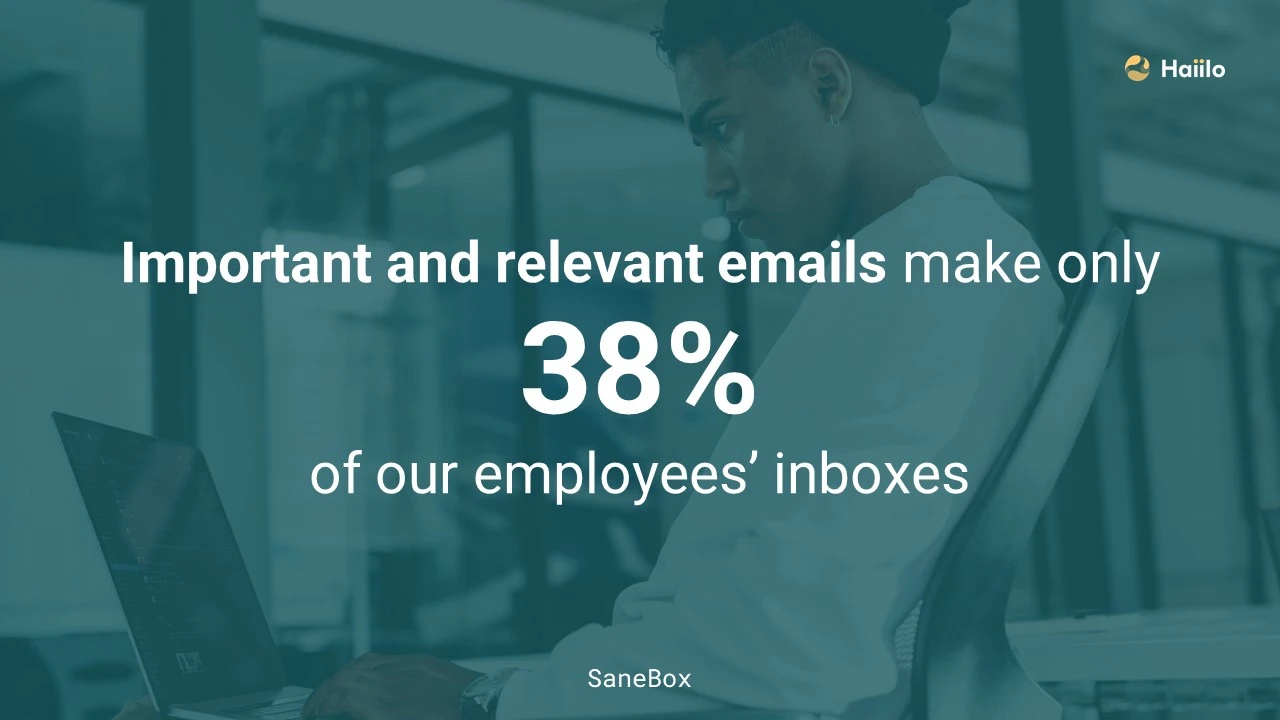
When it comes to internal employee communications, one of the biggest mistakes companies make is sending mass, company-wide, generic communications. Many of these organizations don’t have a way to easily segment their internal audiences and adjust the content based on their employee personas. As a result, messages often feel irrelevant or easy to ignore.
Strong office communication focuses on relevance and timing. By tailoring messages to specific teams, roles, or locations, companies can make communication more meaningful and easier to act on. Personalized communication also shows employees that their needs are understood.
As a consequence, employees start to ignore these communications, which can have a negative impact on employees’ engagement, productivity, morale, wellbeing, and safety. Making communication more engaging—through clear language, storytelling, and the right channels—helps ensure that important messages are actually seen, understood, and acted on.
Modern employers that understand the importance of workplace communications are now looking for new ways to implement storytelling in their communications campaigns. Instead of sharing dry updates, they focus on narratives that employees can relate to and remember. This makes office communication more engaging, easier to understand, and more actionable. They are also investing in solutions that help them better understand their multigenerational workforce so they can tailor messages to different needs, preferences, and communication styles.
Encourage employees’ share of voice
Your employees’ share of voice matters! Yet, many employees still don’t feel like they can freely express their needs, preferences, ideas, and concerns. Moreover, in many organizations information still flows one-way. Meaning, employees don’t have a way to join company conversations.
Company-wide newsletters or employee surveys are not enough to show your employees that you care about their opinions. Instead, you should encourage everyone to participate. Strong office communication creates space for dialogue, not just distribution. When employees can share feedback openly and see that it leads to action, trust and engagement grow significantly.
Involve the leadership
A great leader plays a big role in creating a better communication culture. Leaders are the ones who should act as role models and serve as an example to others. However, there are still too many organizations in which leadership has little to no direct connection with employees.
In many cases, employees don’t even know who their leaders are or what they stand for. That’s a clear sign of weak office communication. Visible and approachable leadership builds trust, improves transparency, and makes communication more authentic.
Implement the right technology
The right tools can go a long way in enabling organizations to build great corporate cultures. Outdated intranets and emails are not the right way to communicate with the modern workforce. They often lead to information overload, missed messages, and low engagement.
Modern tools make office communication faster, more targeted, and more interactive. They allow organizations to reach employees across locations, devices, and roles while also enabling feedback and collaboration. Choosing the right technology ensures that communication is not only delivered—but also received, understood, and acted on.
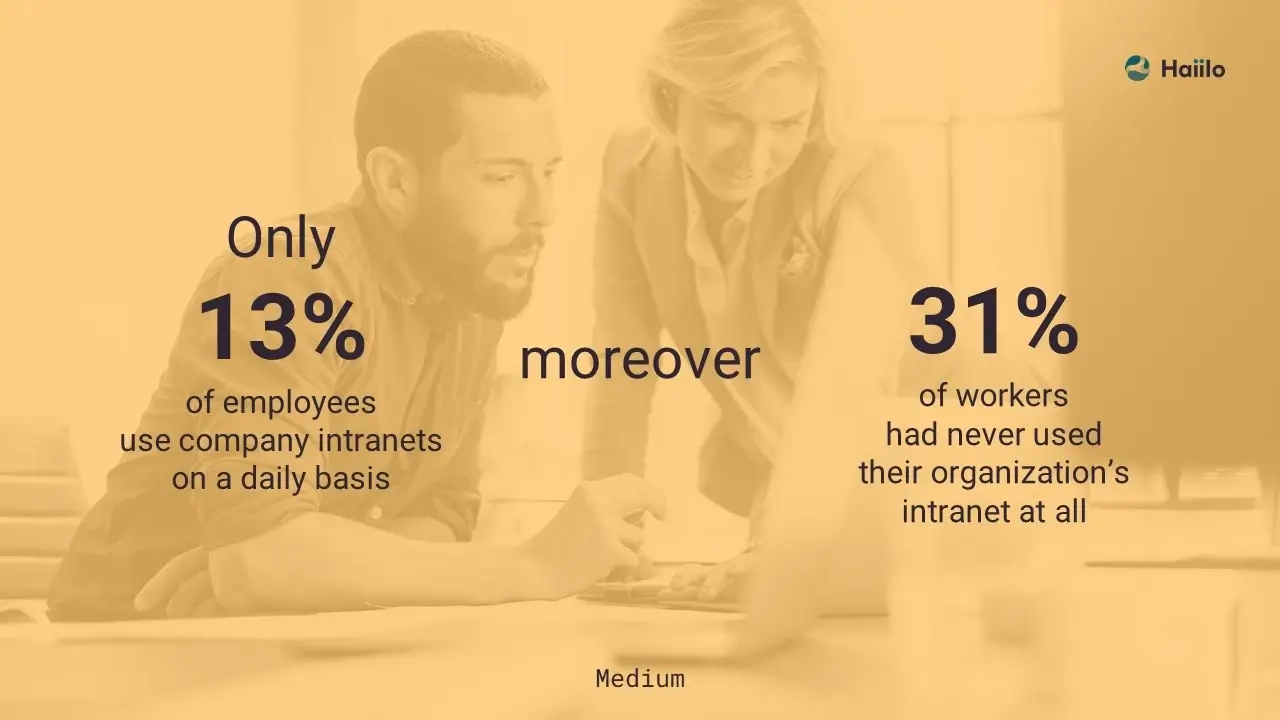
Instead, employers are switching to new solutions that mimic the features and functionalities of employees’ favorite social media platforms. Personalized news feeds, relevant groups, and instant notifications are just a few examples of must-have features that modern workplace communications technology offers. These tools make office communication more intuitive and familiar, which increases adoption and daily usage among employees.
These features make communication in the workplace more streamlined, relevant to the readers, more engaging, and fun to use. When employees receive content that matches their role, interests, and location, they are far more likely to pay attention and take action. This leads to faster alignment and more effective collaboration across teams.
Measure the impact of your communication efforts
Improving communication in the workplace is hard if you can’t measure your current efforts. Yet, this is still one of the biggest challenges that Chief Communications Officers and other communications professionals face. Without clear data, it’s difficult to understand what is working and where improvements are needed.
Luckily, the newest technology in this space offers ways for employers to really understand the impact and the benefits of their internal communications initiatives and investments. Modern analytics make it possible to track reach, engagement, and content performance in real time, giving teams clear insights into how employees interact with communication.
Employers can now closely tie communication campaigns with specific business goals. This makes office communication more strategic, as teams can adjust their approach based on measurable outcomes instead of assumptions. Over time, this leads to smarter decisions and more effective communication overall.
Communicating the ROI of Employee Communications Initiatives
Communications professionals often struggle to clearly define the return on investment in new workplace communications efforts, initiatives, and more advanced technologies. While the impact of office communication is clear in day-to-day operations, translating that impact into measurable business value can be challenging.
Even though we have already mentioned a few important points about the importance of communication in the workplace, there are several common patterns and challenges that organizations continue to face:
- Employees often feel overwhelmed by the volume of messages and channels, which makes it harder to focus on what truly matters.
- Important updates don’t always reach the right people at the right time, especially in larger or distributed organizations.
- Leaders and teams struggle to access accurate information quickly, slowing down decision-making.
- Many employees lack a clear understanding of company strategy, goals, and priorities due to inconsistent communication.
- Internal communications teams frequently operate without a clear long-term plan or defined success metrics.
- Slow response times during onboarding or daily operations can lead to frustration and disengagement.
- Poor communication during projects increases the risk of delays, misalignment, and wasted resources.
- Employees who don’t feel heard or involved are less likely to contribute ideas or perform at their best.
- Organizations often underestimate how much strong office communication influences culture, performance, and employee experience.
Start Improving Communication in Your Workplace Today
Communication systems in the workplace have become very complex. There are multiple communication channels organizations use to keep their employees updated and informed. While these channels can be useful, they often create fragmentation, making it harder for employees to find the right information at the right time. This is where strong office communication strategies become essential.
In order to improve and streamline communication in the workplace, many organizations are now implementing new employee tools that enable them to consolidate all those channels into a single platform. Bringing communication into one central place reduces noise, increases clarity, and ensures that important messages don’t get lost across systems.
Solutions like Haiilo Home and Haiilo Stories enable enterprises to create, aggregate, and automatically deliver personalized content to every employee while empowering them to amplify messages externally. This makes office communication more targeted, relevant, and easier to consume. Haiilo Home is a strong fit for organizations that want to boost both horizontal and vertical communication, while also giving employees a central space for collaboration. Haiilo Stories, on the other hand, helps prevent information overload by enabling highly targeted communication based on location, department, language, and more.
Using Haiilo can support an increase in profitability and staff retention through better alignment on goals and vision, an improved employee experience, and higher productivity. At the same time, it helps turn employees into active participants in communication, strengthening engagement and encouraging authentic brand advocacy.
Find
your
flow
Bring communication, knowledge, and tools into one calm place — and help your people find their flow.