
Struggling with silence? Here’s how to get feedback from employees and turn it into real change



Employee feedback is crucial for improving employee satisfaction, motivation, engagement, and productivity. Yet, many employees are still not happy with the way and frequency of receiving feedback from their superiors. This gap often leads to missed expectations, lower trust, and reduced performance over time.
In this blog, we will cover the importance of employee feedback in the workplace and share some of the best practices for giving feedback to employees. You will also learn how to get feedback from employees in a way that encourages honest, useful responses and drives continuous improvement.
The New Era of Employee Feedback
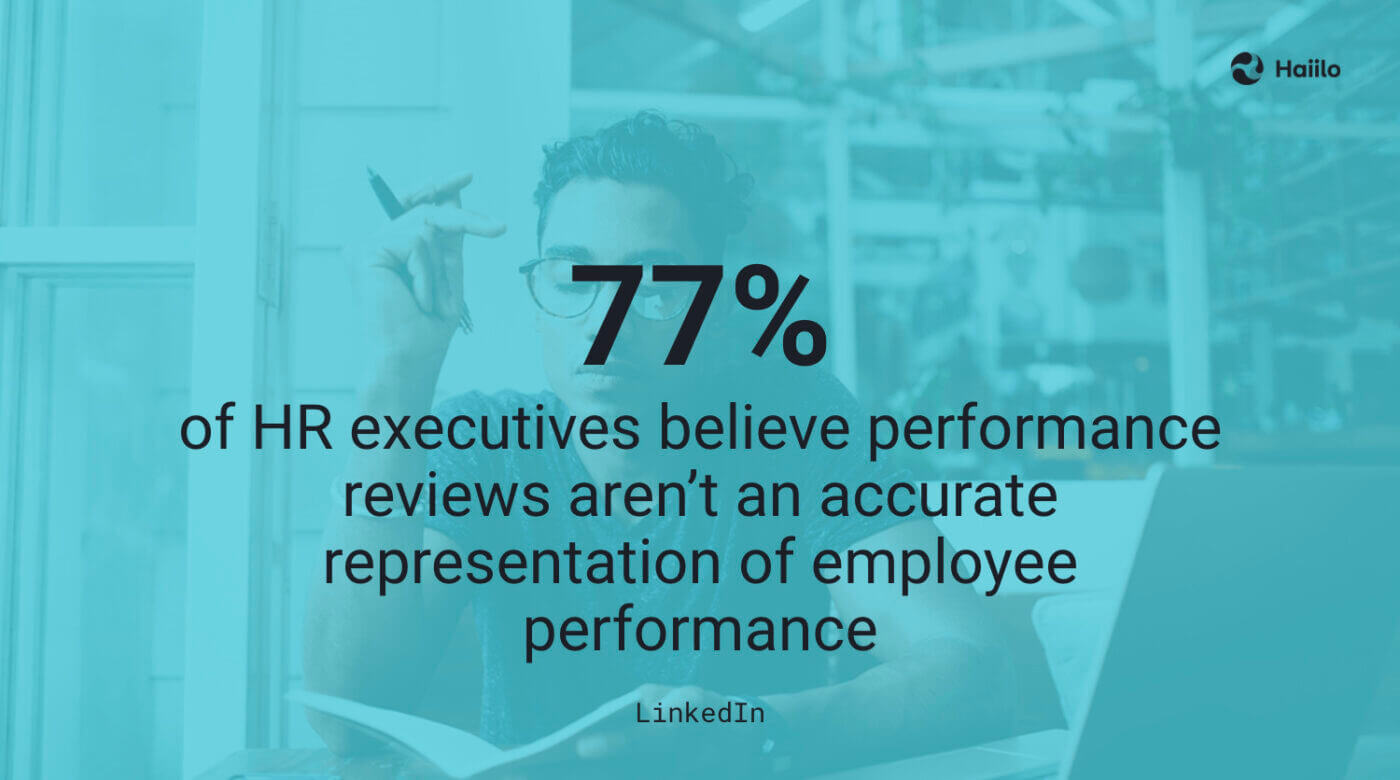
Historically, employee feedback was reserved for quartal, semi-annual, or annual performance reviews. With work becoming more agile, this approach is just not working anymore. Feedback given months after events lacks context, feels disconnected, and often fails to drive real change.
Today’s employees expect more frequent, timely input that helps them improve in the moment. Managers also need better ways to understand how their teams are feeling and performing. This shift has made continuous feedback a key part of modern workplace culture.
Instead of relying only on formal reviews, organizations are moving toward ongoing conversations, quick check-ins, and real-time insights. This makes it easier not only to guide performance but also to understand challenges early and act on them. Learning how to get feedback from employees regularly is now essential for building trust, improving communication, and supporting long-term success.
Today, employees expect continuous employee feedback from both their superiors and their peers. They want timely input that helps them improve, not delayed feedback that feels disconnected from their day-to-day work.
Furthermore, remote work and distributed workplaces are also impacting the way employees collaborate and communicate with each other. Cross-functional collaboration is crucial now, and digital tools have become the primary channel of communication for many organizations. As a result, feedback needs to be more intentional, structured, and easy to give—even across different locations and time zones.
Employers need to adjust to these new trends, understand their people, and recognize the importance of on-the-spot feedback. Quick, clear feedback helps employees stay aligned, fix issues early, and feel supported. It also plays a key role in learning how to get feedback from employees consistently, not just during formal review cycles.
Why Employees Need Continuous Feedback
Employee feedback is one of the most important pillars of every talent management strategy. It greatly impacts employee experience in the workplace, and it can strongly influence retention, satisfaction, and productivity.
Without regular feedback, employees may feel uncertain about expectations or disconnected from company goals. Over time, this can lead to frustration, lower performance, and higher turnover. On the other hand, consistent feedback builds clarity, trust, and a stronger sense of ownership.
Let’s take a look into the main reasons why employee feedback should never be neglected.
Employee motivation and engagement
Positive feedback and recognition have a direct impact on employee engagement and motivation in the workplace. When employees feel seen and appreciated, they are more likely to stay committed and perform at their best.
Every employer should, therefore, implement a structured employee recognition and feedback program. This creates clear opportunities to celebrate wins, reinforce good behaviors, and guide improvement. It also makes it easier to understand how to get feedback from employees in return, creating a more open and balanced feedback culture.
Productivity and profitability
Besides boosting employee motivation and morale, employee feedback also improves productivity.
When employees receive clear, timely feedback, they better understand expectations and priorities. This reduces confusion, shortens decision-making time, and helps teams focus on the work that actually drives results. Managers can also identify performance gaps earlier and address them before they grow into larger issues.
Regular feedback creates a rhythm of continuous improvement. Instead of waiting for formal reviews, employees can adjust their approach in real time. Over time, this leads to more consistent performance and stronger business outcomes across teams.
Employee retention
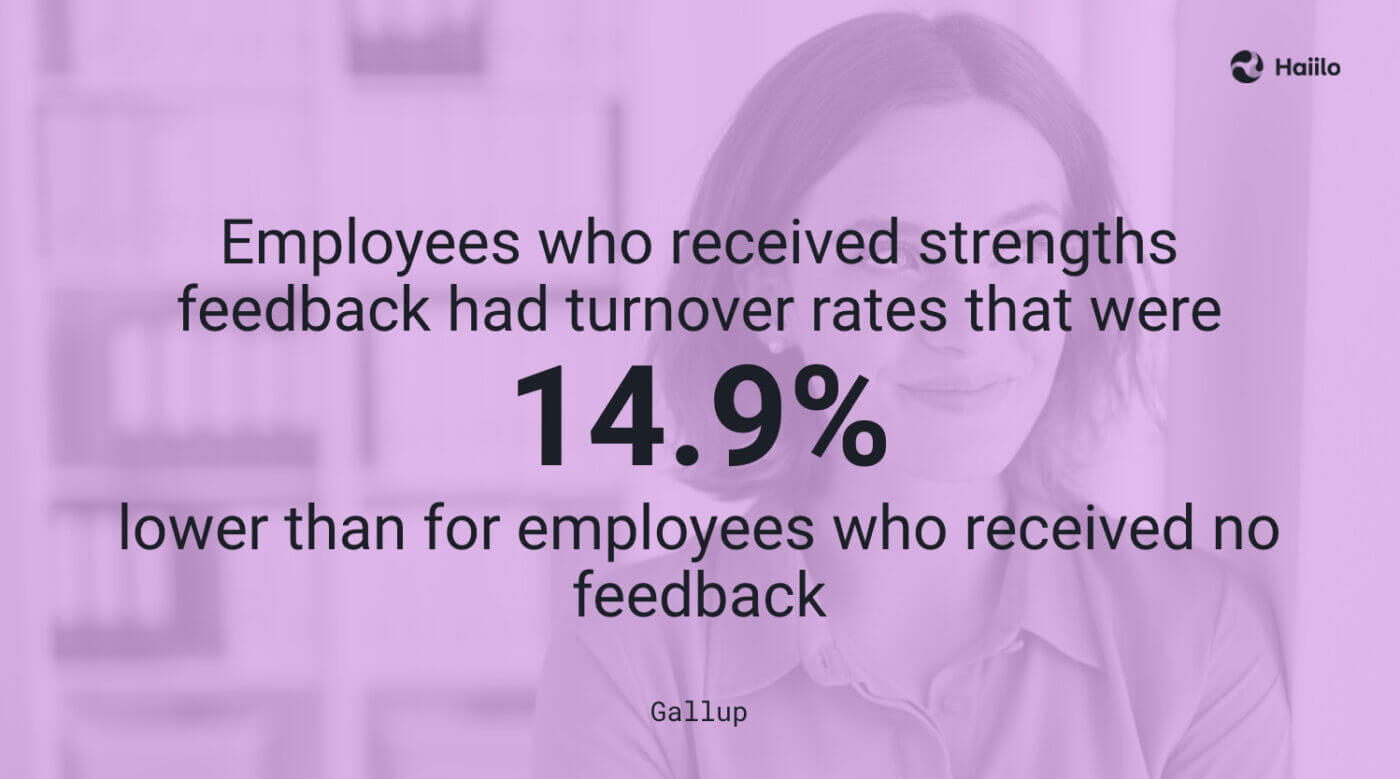
In general, employees who receive frequent feedback are more satisfied with their work. People who receive regular input feel more connected to their roles and more confident in what is expected of them.
When feedback flows both ways, employees are also more likely to speak up, share concerns, and contribute ideas. This plays a key role in learning how to get feedback from employees and building a culture of trust and openness.
Employees who feel heard and supported are far less likely to disengage or look for opportunities elsewhere. Consistent feedback helps managers spot dissatisfaction early, address concerns quickly, and create an environment where people want to stay and grow.
9 Best Practices for Giving Employee Feedback
There are certain ways to make feedback more meaningful and useful for employees. Digital workplaces have to adjust to new ways of communicating with their peers and superiors. It is important to leverage the benefits and power of new workplace technology that makes it easier to connect with people, share feedback instantly, and keep communication transparent across teams.
So what are some of the best practices for giving feedback in the workplace?
1. Make feedback a part of your company culture
Driving a culture of frequent and honest workplace communications is not an easy task. However, it is absolutely necessary for a healthy work atmosphere and better business results.
Organizations that treat feedback as a daily habit—not a formal event—create safer spaces for employees to speak up. This makes it easier to identify issues early, share ideas, and strengthen collaboration across teams.
Many organizations are now making frequent feedback a part of their core company values.
Honesty, open communications, and collaboration are some of the most common values employers try to embed in their employee behaviors! When these values are clearly reinforced, employees are more likely to both give and seek feedback regularly, which also supports learning how to get feedback from employees in a natural way.
2. Give feedback frequently
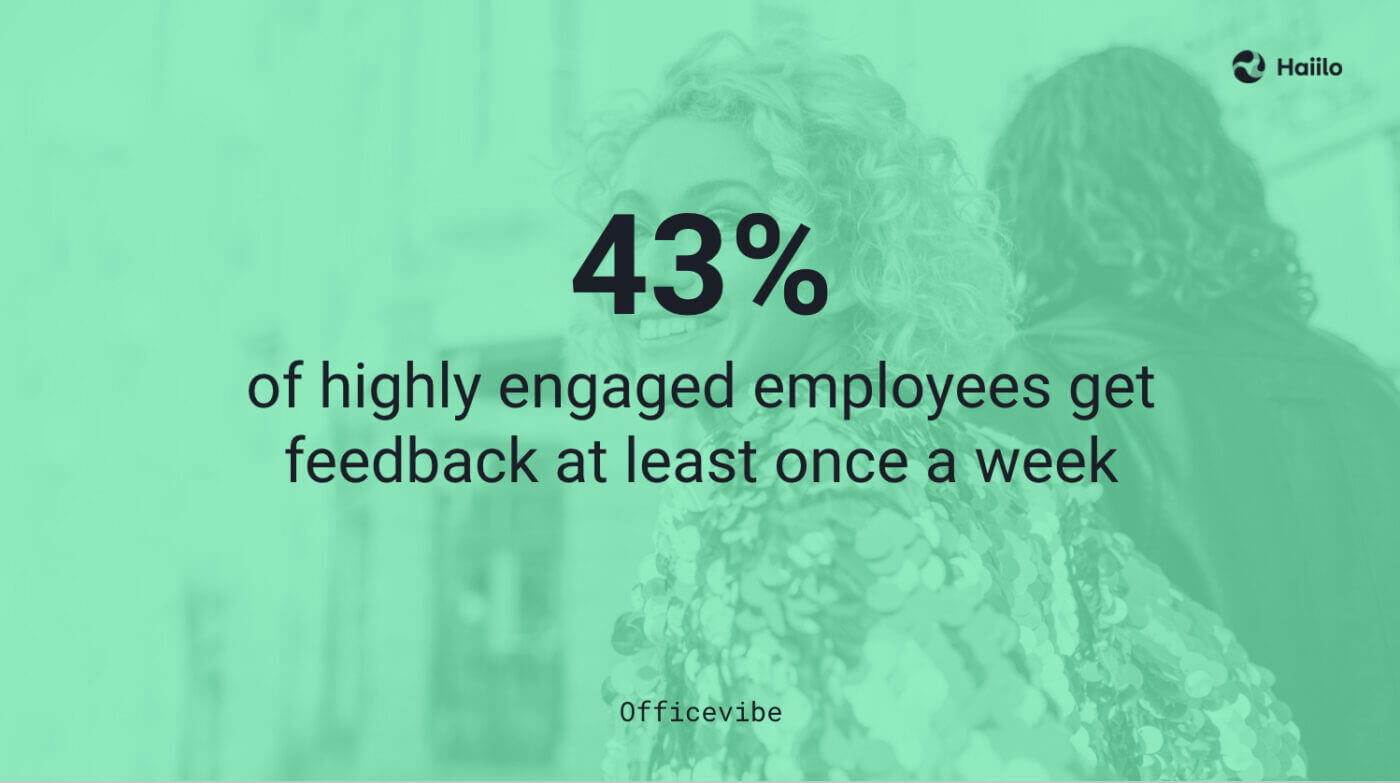
Today, most employees expect on-the-spot feedback from their managers and peers. Frequent feedback helps them stay on track and make sure that their work contributes to business success.
Instead of saving input for formal reviews, managers should focus on short, regular check-ins. These quick conversations make feedback feel more relevant and easier to act on. They also reduce pressure and make it easier for employees to respond openly.
Frequent feedback loops encourage two-way communication. Employees are more likely to share their opinions, flag blockers, and contribute ideas when feedback becomes part of everyday work. This is essential when building processes around how to get feedback from employees consistently and effectively.
Over time, this approach builds stronger alignment, faster improvement, and a more engaged workforce.
3. Understand your multigenerational workforce
Managing a multigenerational workforce is complex. Different generations expect different things from their employers, especially when it comes to communication and feedback.
Some employees prefer structured, formal conversations, while others expect quick, informal feedback on a regular basis. Younger employees, in particular, often look for more frequent input and clearer guidance to help them grow and stay aligned with expectations.
Therefore, it is important to recognize these differences and adapt your approach accordingly. A one-size-fits-all feedback strategy rarely works. Instead, managers should tailor how, when, and how often they give feedback based on individual preferences. This also helps organizations better understand how to get feedback from employees across different age groups and communication styles.
4. Tie feedback to core values and business goals
To make employee feedback more meaningful, it is important to make it clear. This is why terms “value-based feedback” and “value-based recognition” were born. Feedback and recognition should always tie back to a company’s core values, mission, and ultimate business goals.
When feedback is connected to clear expectations, employees understand not just what they did, but why it matters. This creates stronger alignment between individual performance and company priorities. It also helps employees make better decisions in their daily work.
Employees want to be continuously reminded that their work has purpose and meaning, and they want to understand whether and how their contributions drive business results. Clear, value-based feedback makes this connection visible and actionable.
5. Focus on the positives
Positive feedback reinforces and acknowledges a job well done, while negative feedback is corrective feedback that points out issues with behavior or performance and helps redirect misaligned priorities.
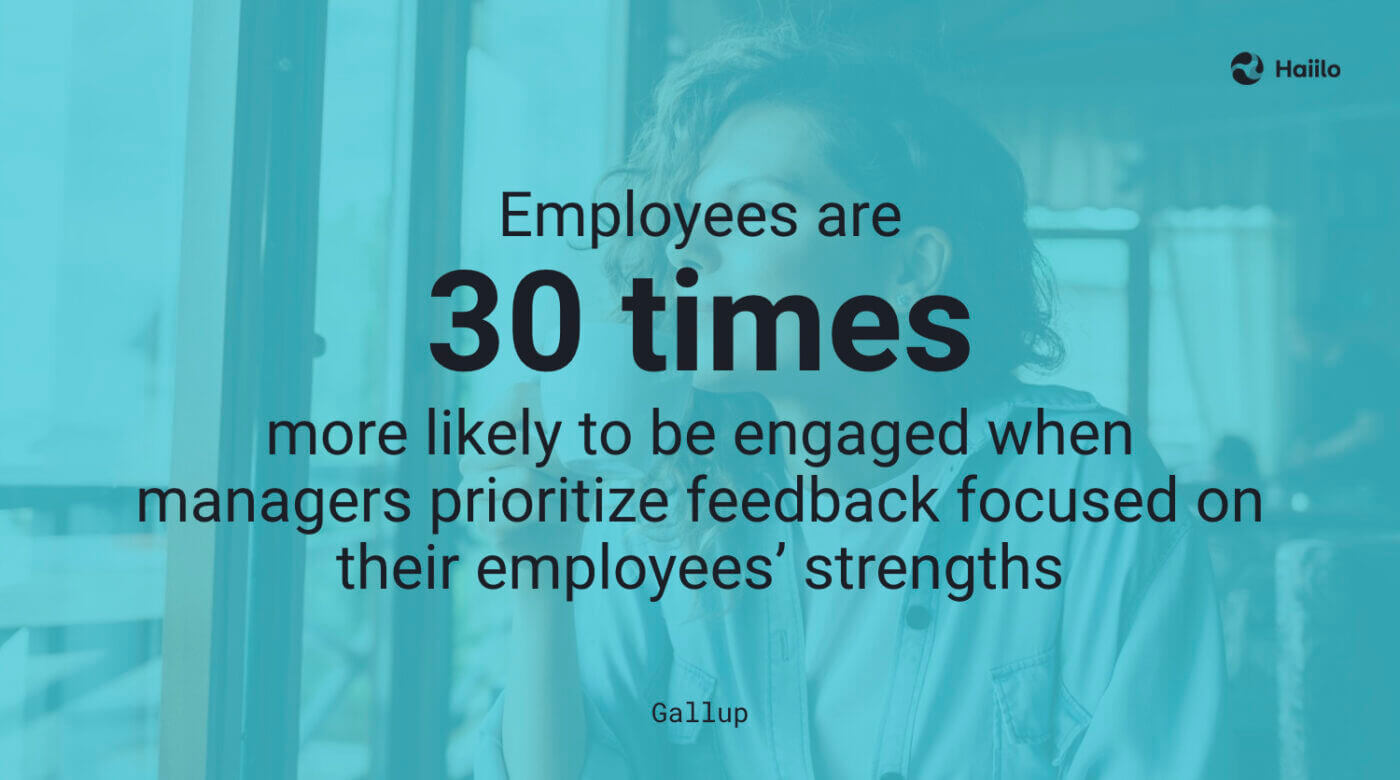
Whether the feedback is positive or negative, it should always be constructive, and it should mainly focus on strengths. Recognizing what employees do well builds confidence and encourages them to repeat those behaviors.
At the same time, constructive feedback should be specific and actionable. Instead of pointing out what went wrong, managers should guide employees on how to improve. This keeps feedback solution-focused and easier to accept.
Otherwise, you risk leaving your employees feeling criticized, demotivated, and disengaged. A balanced approach—where strengths are highlighted and improvements are clearly explained—creates a more supportive environment and encourages employees to share their own input, which is essential when learning how to get feedback from employees effectively.
6. Implement regular surveys and check-ins
Sometimes, it can be hard for managers to give regular feedback, especially for those who manage remote and distributed teams. For them, it may be hard to continuously engage with their teams and stay aware of day-to-day challenges.
This is why employee survey solutions have become so popular. Short, focused surveys and regular check-ins make it easier to collect honest input without overwhelming employees.
Pulse surveys, quick weekly check-ins, and one-on-one conversations help managers stay connected. They also make it easier to spot patterns, identify issues early, and act before problems grow. Over time, these touchpoints become essential for learning how to get feedback from employees in a structured and scalable way.
7. Don’t forget about your frontline employees
Giving and receiving feedback from frontline and deskless employees is usually much harder than for employees with designated working spaces. Their nature of work requires employers to find different solutions to accommodate their blue-collar workforce.
Frontline workers often have limited access to email or desktop tools. Because of this, feedback processes need to be simple, mobile-friendly, and easy to access during their shifts.
Because frontline workers often depend on their smartphones to connect with managers and other colleagues, it is crucial that employers understand the benefits of investing in mobile-first internal communications technology. This ensures everyone can both give and receive feedback, regardless of their role or location.
8. Always act on feedback
Not acting on employee feedback can hurt your employees’ well-being.
Asking for feedback and not acting on it is worse than not asking for it at all. Unfortunately, many employers and managers still tend to ask for feedback just for the sake of it. This can quickly damage trust and discourage employees from speaking up in the future.
When employees see that their input leads to real change, they are far more likely to stay engaged and continue sharing ideas. Even small actions—like acknowledging feedback, communicating next steps, or explaining decisions—can make a big difference.
When you collect feedback from employees, make sure that you act on it in a timely manner. Closing the feedback loop is a critical step in building credibility and improving how to get feedback from employees consistently.
9. Encourage bottom-up feedback
Bottom-up feedback is sometimes more important than top-down feedback. However, top-down feedback is still much more common. This is often a consequence of low trust. Employees who don’t have trust in their managers are much less likely to speak up and share honest input.
Organizations need to shift their mindset and educate managers about the importance of encouraging and driving bottom-up feedback. Leaders should actively ask for input, listen without judgment, and respond openly—even when the feedback is critical.
Even though not many managers feel comfortable receiving negative feedback from their employees, this is one of the most effective ways to grow. It helps leaders become better leaders and better support their employees throughout their career journeys.
10 Most Shocking Facts About Employee Feedback
Earlier in this blog, we covered the importance of regular employee feedback. But instead of focusing on outdated statistics, it is more useful to understand the consistent patterns seen across modern workplaces.
- Employees are more likely to take initiative when they receive clear and timely feedback.
- Constructive feedback, when delivered respectfully, helps improve performance and build confidence.
- Most employees prefer feedback in the moment rather than waiting for formal reviews.
- A lack of recognition can make employees feel undervalued and disconnected from their work.
- Frequent, informal feedback is often more effective than rigid performance review cycles.
- Many employees are unsure whether they receive feedback often enough to improve.
- Being ignored by managers can lead to disengagement and reduced motivation.
- Limited or unclear feedback often results in lower performance and weaker alignment.
- Consistent and accurate feedback helps employees feel more fulfilled in their roles.
- Employees are more engaged when they believe their feedback is heard and taken seriously.
Hybrid Work and Employee Feedback
As mentioned earlier, giving and receiving continuous top-down and bottom-up feedback is much harder now when workplaces are distributed and when are growing in popularity. Physical distance, different schedules, and fewer spontaneous interactions make it harder to exchange quick, meaningful feedback in the flow of work.
In hybrid environments, feedback can easily become inconsistent or delayed if there are no clear processes in place. Employees may feel disconnected or unsure whether their work is aligned with expectations. This is why organizations need to be more intentional about how feedback is shared and received across teams.
Many employers today rely on new workplace technology to mitigate the negative consequences of the new working models. Luckily, there are solutions that help peers and managers stay connected with each other and communicate efficiently, even in virtual working environments. These tools make it easier to create structured feedback loops and ensure that no one is left out of important conversations.
Haiilo is an and employee communications platform that enables everyone to easily reach their colleagues and give or receive feedback. Its mobile-first interface empowers even frontline workers to stay connected with the rest of the workforce, making feedback accessible regardless of role or location.
Robust workplace segmentation and survey distribution features empower managers and HR professionals to quickly collect feedback from the entire workplace, analyze results, and make smart decisions for improvement. These capabilities are especially important for organizations looking to scale how to get feedback from employees in a consistent and measurable way.
Personalized news feeds ensure that every employee is always in the loop about what is going on in the organization. At the same time, AI-powered analytics help employers better understand employee behavior, engagement patterns, and communication preferences, making it easier to continuously refine feedback strategies and improve overall employee experience.
Find
your
flow
Bring communication, knowledge, and tools into one calm place — and help your people find their flow.