
6 Innovative Ways to Boost Your Content Distribution Strategy



Content distribution is an essential part of any digital marketing strategy. While many organisations invest heavily in content creation, the real impact only happens when that content is distributed effectively. Multiple studies consistently show that marketers who pair strong content with a clear content distribution strategy achieve significantly better marketing KPIs.
Smart content distribution can significantly increase your website’s traffic, build trust among customers and prospects, boost audience engagement, improve conversion rates, and even reduce customer churn rates. It also ensures that the time and budget spent on content creation actually translate into measurable results, rather than content sitting unnoticed on your website.
In this blog, you will learn what content distribution is, why it matters, and how to make a content distribution strategy work for your organisation in practice.
What Is Content Distribution and Why Is It Important
Simply put, content distribution is the process of distributing different content formats such as blogs, images, customer stories, infographics, and videos, via various channels and communications platforms. These channels can include owned, earned, and paid media, each playing a different role in reaching and engaging your target audience.
But why does content marketing matter?
Here is the best answer to that question:
Content marketing costs less than traditional marketing and can generate significantly more qualified leads when executed well.
Even though many organisations today are aware of the importance of content marketing, just creating content is not enough. According to research, 60% of marketers create at least one piece of content each day, yet over 90% of content gets no traffic from Google9 Social Media Marketing Trends to Watch in 2023
3 Types of Content Distribution Channels
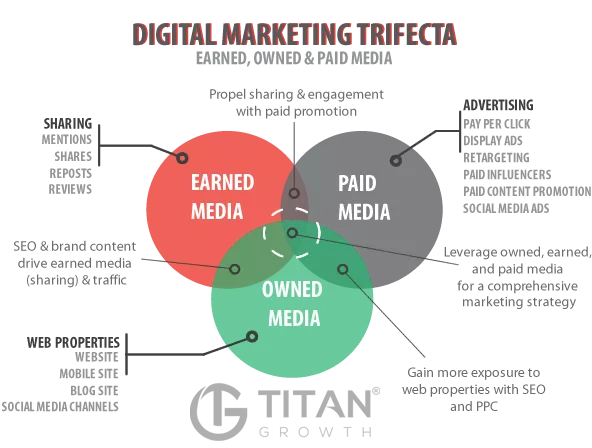
There are many different content distribution channels you can leverage. However, we can fit them all under 3 categories.
Owned
Owned media includes any channel that is directly owned, controlled, and influenced by the brand itself. These channels form the foundation of a strong content distribution strategy because they give you full control over messaging, timing, and audience experience, without relying on third-party algorithms.
Some examples of owned media in digital marketing include:
- Company’s own websites
- Blog
- Newsletter
- Social presence on Facebook, LinkedIn, Twitter, and other social media profiles
Owned channels are especially valuable for long-term growth, as they help build direct relationships with your audience and create consistent touchpoints across the customer journey.
Earned
The easiest way to describe earned media is “the exposure gained from methods other than paid advertising”. Earned channels are typically driven by trust, relevance, and advocacy, making them a powerful amplifier within any content distribution strategy.
Some examples of earned media include:
- Online word of mouth
- Customer advocacy
- Employee advocacy
- Free influencer advocacy
- Free PR coverage
While earned media is harder to control, it often delivers higher credibility and engagement because the message comes from trusted third parties rather than the brand itself.
Paid
Simply put, paid or bought media are media where organizations pay for visitors, reach, or conversions. Paid channels allow marketers to scale content distribution quickly and reach highly targeted audiences, making them a useful complement to owned and earned media.
Some examples of paid media include:
- Google Ads
- Display advertising
- Social Media advertising
- Sponsorships and content syndication initiatives
- Paid influencer advertising, and paid brand ambassadorship programs
When used strategically, paid media can help test messaging, support key campaigns, and give high-performing content the additional visibility it needs.
💡 Related: How to Create a Brand Ambassador Program
Also, take a look at our online session: The Marketing ROI Battle.
6 Out-of-the-Box Ideas to Make Content Distribution More Impactful
SEO, paid ads, newsletters, organic traffic, and social media sharing are just some of the must-have content distribution strategies. These tactics form a solid baseline, but they are often not enough on their own to cut through increasing competition and content overload.
However, if you want to stand out and make your content more memorable—or even go viral—you need to think beyond the basics. Below, we have covered 6 ways to boost your content distribution efforts, improve brand awareness, drive more website visitors, and generate more high-quality leads by approaching distribution more strategically.
1. Wisely choose content formats and types
In order to get more impact from your content distribution strategy, it is important to understand what types of content formats work best for your industry and for your target audience. Not every format performs equally across audiences, and preferences can vary significantly depending on role, intent, and stage in the buyer journey. For example, while some audiences may prefer longer and more detailed content formats, developers are most certainly not among them.
Similarly, buyers in some industries may prefer podcasts or short video content, while others respond better to webinars, in-depth ebooks, or practical guides they can reference over time. Choosing the wrong format can limit reach and engagement, even if the content itself is high quality.
There is no secret sauce when it comes to choosing the best types of content for your organisation, but being data-driven can certainly help. Regularly analyse your content performance to better understand what content types resonate best with your audience, where they engage most, and which formats support your distribution goals.
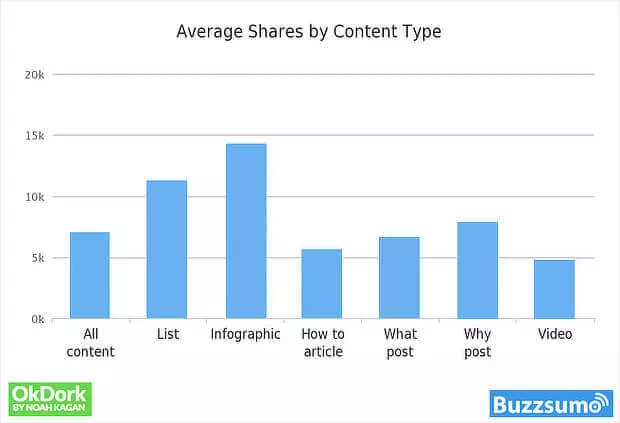
For example, one research shows that infographics tend to be one of the most likeable content types, as they often generate more shares than other formats. Insights like this can help you prioritise formats that naturally support wider distribution.
💡 Related: What People Like to Share on Social Media [INFOGRAPHIC]
2. Partner with other companies (co-marketing)
One of the most powerful ways for your content to gain more visibility is by running co-marketing campaigns. There are countless companies that target the same buyer persona but are not direct competitors, which creates a strong opportunity for mutual value.
So why not partner together? Why not distribute each other’s content? When done well, co-marketing allows both brands to tap into new audiences, extend reach, and strengthen credibility — making it a clear win-win for everyone involved.
However, it is important to have a clear co-marketing strategy in place before launching any joint initiatives. Successful partnerships rely on alignment, transparency, and shared goals. When choosing your marketing partners, it is crucial that you answer these questions upfront:
- Who do you want to partner with? Are you targeting the same buyer persona?
- Does this company have a good reputation?
- Do they already have a clear content distribution strategy?
- How many followers on social media do they have, and how much website traffic do they generate?
- What type of content will you collaborate on? Blog, webinar, podcast, video, or just cross-promotion?
- What is the timeline of the entire project?
- What is expected from this campaign? What are the KPIs?
- If this is a lead generation campaign, how will the leads be shared?
By answering these questions early, you can avoid misalignment and ensure your co-marketing efforts actively support your broader content distribution strategy.
3. Engage with influencers and analysts in your industry
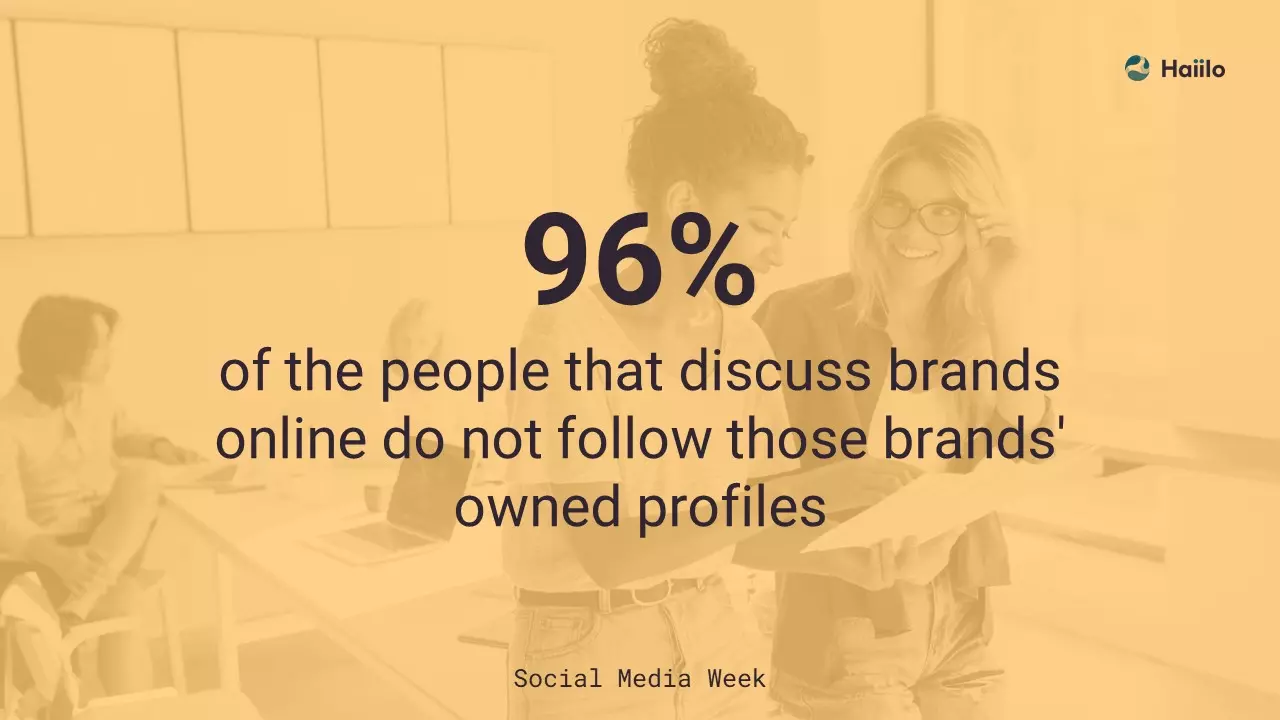
Influencers and industry analysts can play a key role in amplifying your content beyond your owned channels. According to research, almost 75% of consumers decide what to buy based on social media posts, but 96% of the people that discuss brands online do not follow those brands’ owned profiles.
This means that relying solely on your own channels can significantly limit reach. By building relationships with trusted voices in your industry, you can insert your content into conversations that are already happening, increasing visibility, credibility, and engagement as part of a more effective content distribution strategy.
As buyers tend to trust other people more than brands, having influencers as your brand ambassadors can be a very powerful content distribution strategy. Influencers already have established credibility and loyal audiences, which makes it easier for your content to feel authentic rather than promotional.
Some of the most common reasons why organisations engage ambassadors are to increase brand awareness, improve social selling, and build trust among customers and followers. When ambassadors share your content in their own voice, it often leads to higher engagement and more meaningful interactions than brand-owned channels alone.
Because influencer marketing can be quite expensive, consider working with nano and micro-influencers to distribute your content and promote your brand. These creators usually have smaller but more engaged audiences, making them a cost-effective way to support your content distribution strategy without sacrificing relevance.
Research by AdWeeks also showed that nano-influencers and micro-influencers achieve significantly higher follower engagement than popular celebrities, which makes them particularly valuable for amplifying content at scale.
4. Consider various content syndication providers
Content syndication is the process of republishing web content on third-party sites for broader reach and readership. It exposes your marketing collateral to readers and viewers who may have never come across your brand organically, helping you extend the lifespan and visibility of your existing content.
When choosing content syndication providers, it is very important that you know exactly who your target audience is. Next, it is crucial that you do your research to better understand the reach, audience quality, and engagement levels different content syndication providers offer, so your content appears in the right context.
For example, if your buyer personas are developers or IT professionals, you should consider a content syndication provider such as TechRadar with hundreds of thousands of IT subscribers. If your buyer persona is in HR, you should consider a content syndication provider such as HR.com, which focuses specifically on HR-related topics and professionals.
One of the downsides of content syndication campaigns is that they can be quite expensive. Luckily, there are some free content syndication sites that some organisations find very powerful, especially when starting out or testing new distribution approaches. These are a few examples:
- Medium
- Quora
- BuzzFeed
- Business2Community
- LinkedIn articles
- Mashable
5. Leverage social groups
When defining your content distribution efforts for the next quarter, consider leveraging various social groups. There are thousands of niche groups on Facebook, LinkedIn, Slack, and other platforms where people come together to exchange ideas, solve problems, and look for answers to specific questions.
Let me give you one example.
Let’s say your target persona is an HR Manager or a Head of the Human Resources department. Get on LinkedIn and navigate to groups to find communities relevant to your buyers. By actively participating, sharing genuinely helpful content, and avoiding overly promotional posts, you can position your brand as a trusted voice while driving consistent, targeted traffic back to your content.
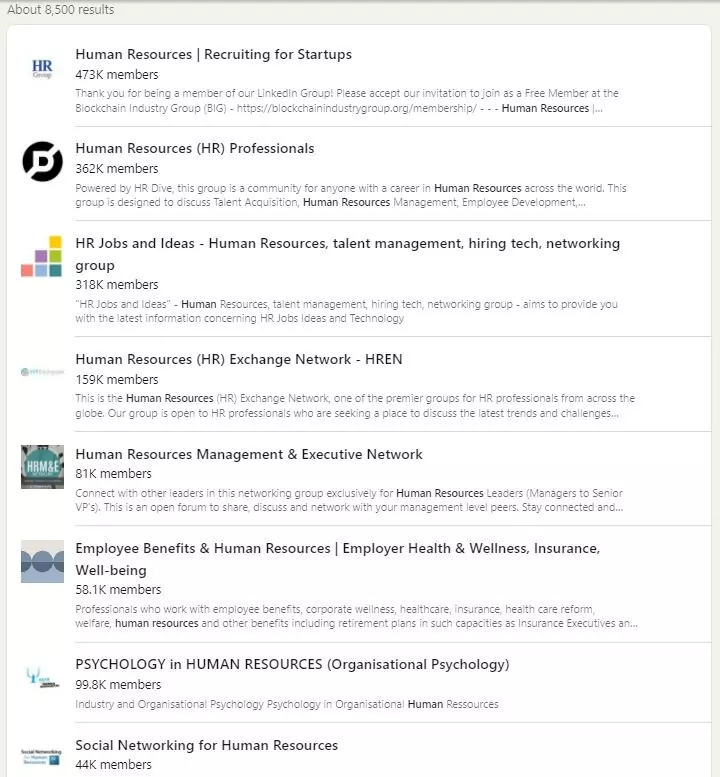
You will find thousands of groups, and some of them have hundreds of thousands of members. For some companies, such social groups are must-have channels for content distribution.
💡 Related: 8 Steps to Implement a Killer Social Media Marketing Strategy
6. Create an employee advocacy program
Many organizations still don’t understand the impact of employee advocacy on marketing. Your own employees can be the best content distributors, the biggest source of traffic to your website, and the best source of high-quality leads.
Yet, 80% of employers have not yet implemented a comprehensive employee advocacy program.
So why should you consider implementing an employee advocacy program to boost content distribution in your organization? Here are a few powerful stats:
- Content shared by employees receives 8 times more engagement than content shared by brand channels. (Social Media Today)
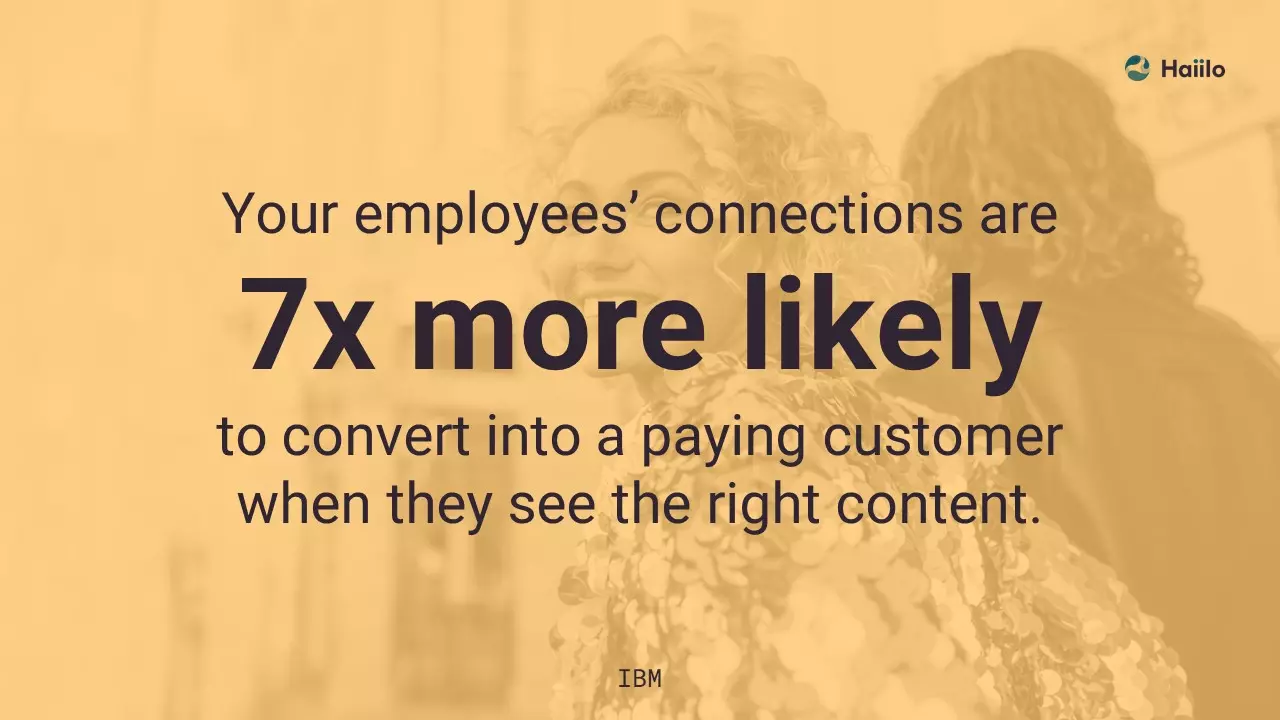
- Leads developed through employee social marketing convert seven times more frequently than other leads. (Fast Company)
- On average, an employee advocacy program involving 1,000 active participants can generate $1,900,000 in advertising value. (Kredible)
- 64% of teams that use social selling hit quota compared to 49% that don’t. (Aberdeen)
Boost Your Content Distribution Strategy Today
As seen in the previous section, engaging your employees in content distribution can be the most powerful way to drive brand awareness and to generate more sales for less money.
However, implementing a successful advocacy program is not easy without the right technology. Your employees should be able to distribute your company’s content on various social media channels in a few seconds. Organizations should be able to gamify advocacy experience and measure the impact of content distribution on a company’s success.
Haiilo’s Publishing Studio is a hub for creating and publishing content to your workforce at scale and it provides a central place from which employees can access their company’s content at any time.
Our Content Booster enables organizations to further enhance their existing technology ecosystem by publishing personalized content with one click, while Workforce Insights provide valuable employee advocacy insights and actionable recommendations for improvement.
Schedule a Haiilo demo to see how other organizations use it to boost their content distribution efforts.
Frequently Asked Questions
What is content distribution in internal communications?
Content distribution in internal communications is how you deliver updates, knowledge, and campaigns to employees through the channels they actually use. It goes beyond “publishing” on an intranet — it’s about targeting the right audiences, choosing the right formats, and making messages easy to find later. A dedicated employee communications platform helps teams plan and distribute content consistently across the organisation.
How do you distribute internal content without overwhelming employees?
The biggest win is relevance: segment audiences by role, location, or shift pattern so people get fewer, better messages. Pair that with clear prioritisation (what’s urgent vs. what can wait) and a single place employees can rely on for updates. If you support frontline teams, a mobile-first employee app is often the difference between content being seen and content being ignored.
What channels work best for internal content distribution?
There isn’t one “best” channel — it depends on who you’re trying to reach. Email works for desk-based teams but often misses frontline staff. Intranets work well for searchable content but can struggle with reach if people don’t visit daily. The practical approach is to centralise content and then distribute it where employees already are, supported by strong findability. A social intranet can help combine publishing, discovery, and employee interaction in one place.
How do you measure whether your content distribution strategy is working?
Look beyond “we sent it” and measure what happened next: reach (who saw it), engagement (what they clicked/reacted to), and behaviour signals (did they take the intended action). Use analytics to compare channels, formats, and topics so you can improve without sending more noise. Built-in insights and analytics make it easier to prove what’s working and spot where key audiences are being missed.
Find
your
flow
Bring communication, knowledge, and tools into one calm place — and help your people find their flow.