
7 weird workplace trends to watch in 2027
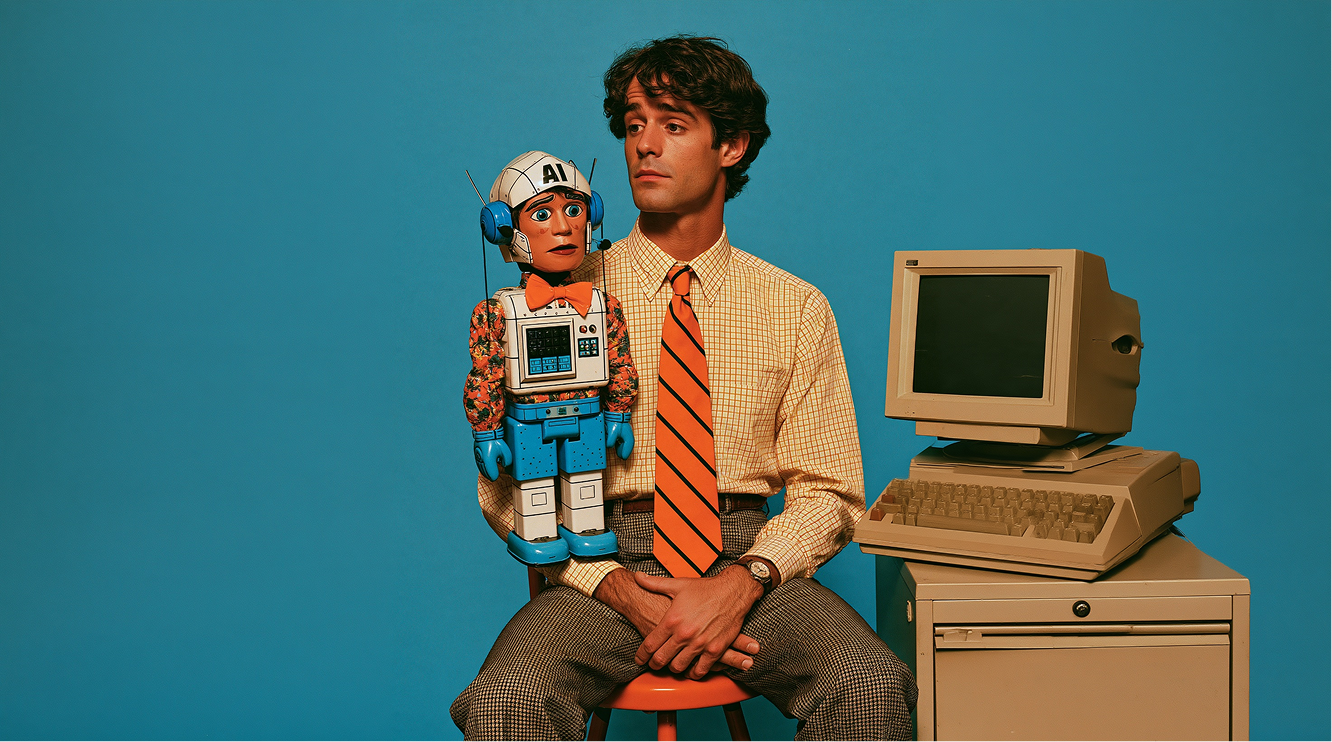


For years, the future of work was sold as a dramatic before-and-after story. AI would replace half the company. The office would disappear. Four-day weeks would cure burnout. Robots would probably make the coffee.
Reality has been less cinematic and much more recognizable.
AI is spreading through everyday work, but many organizations are still struggling to turn experiments into meaningful change. Gartner reported in January 2026 that only one in 50 AI initiatives was delivering transformative value. Microsoft’s latest Work Trend Index frames the next phase around agents taking on execution while people gain more agency. That sounds promising. It also raises a practical question: is the organization actually designed to use that extra capacity, or will AI simply help everyone produce more updates about being busy?
Meanwhile, engagement is not exactly throwing a parade. Gallup’s 2026 global report put employee engagement at 20% in 2025, its lowest level since 2020. The technology is improving quickly. The experience of work is not keeping pace.
That tension is the real story of 2027. Work will become more intelligent, but the winning organizations will be the ones that make it feel more human, more trustworthy, and much less annoying.
Here are 7 workplace trends likely to shape the year ahead.
1. Your AI gets promoted before you do
The fastest-growing member of the team may not actually be a member of your team.
AI assistants are moving from helping with isolated tasks to coordinating workflows, drafting reports, preparing meetings, finding information, and suggesting next actions. As they become more useful, people will stop treating them like clever software and start treating them like junior colleagues who never sleep, never complain, and occasionally make something up with breathtaking confidence.
The serious shift is not that AI can do more. It is that teams will need to redesign who does what. Good organizations will decide which tasks belong to agents, which decisions need human judgment, and where a human must remain visibly accountable.
The bad version is an invisible layer of automation nobody fully understands. The better version gives people back time for judgment, creativity, relationships, and the difficult conversations no chatbot should be allowed to escape into.
💡 What to do now:
Map repetitive work, assign clear human owners, and set review rules before an enthusiastic AI creates a 46-page strategy nobody requested.
👀 Download: The Looming AI Knowledge Crisis
2. Meetings finally develop a survival instinct
AI-generated notes were only the warm-up act. Next comes the meeting that questions its own existence.
Meeting assistants can already summarize decisions and actions. In 2027, they will become more opinionated. They will flag repeated topics, identify missing decision-makers, suggest asynchronous alternatives, and maybe even reveal that six people attended a status update that could have been three sentences.
This is useful because meeting overload is not really a calendar problem. It’s often a clarity problem. Teams meet when ownership is fuzzy, information is scattered, or nobody trusts the written update.
💡 What to do now:
Measure decisions and follow-through, not hours spent together. If a recurring meeting produces neither, let it enjoy a dignified retirement.
3. Search becomes more important than memory
Employees are not running out of information. They are running out of ways to tell which information is current, trusted, and relevant.
Policies live in one system. Project decisions hide in chat. The latest presentation is called `FINAL_v7_really-final.pptx`. A colleague who knew the answer left in March.
In 2027, employees will increasingly expect to ask a plain-language question and receive a reliable answer across company knowledge, news, tools, people, and communities. That makes search a strategic capability, not a small box in the corner of an intranet.
It also changes the job of content owners. Publishing is only the first step, and information must be accurate, permission-aware, clearly owned, and easy for both people and AI to retrieve.
💡 What to do now:
Treat findability as part of content quality. Give important information an owner, review date, sensible title, and one obvious home.
4. Office days become corporate festivals
The office is not dead. It’s just becoming a very expensive event venue.
People will keep coming together for the things that work better in person: building relationships, solving ambiguous problems, onboarding, learning, celebrating, and noticing that a colleague is a full human being rather than a face in a rectangle.
That means successful office days will be designed, not merely mandated. Teams will coordinate attendance around useful moments rather than vague ideas about visibility. The office becomes less about proving where work happened and more about creating an experience worth the commute.
Naturally, Tuesday and Thursday will remain mysteriously overbooked.
💡 What to do now:
Give office time a purpose. If employees travel in only to join video calls with people elsewhere, the building has become a branded Wi-Fi hotspot.
5. The notification rebellion becomes organized
For years, organizations added channels and called it communication. Employees got pings, alerts, newsletters, nudges, summaries, reactions, reminders, and reminders about reminders.
The backlash is already visible in muted channels, ignored emails, and selective attention. In 2027, more organizations will treat attention as a limited business resource. They will reduce duplicate messages, clarify which channel does what, target updates more carefully, and stop labeling everything urgent.
This is not about communicating less for the sake of silence. It is about helping important information feel important again.
💡 What to do now:
Audit the employee experience across channels. Count repetition, not just reach. Every unnecessary message teaches people that the next one can probably be ignored too.
6. Workplace friendships become a serious business topic
Connection used to be treated as culture fluff. That becomes harder to justify when distributed work, organizational change, and stretched managers leave people feeling detached.
Workplace relationships help information travel, make collaboration safer, and give employees somebody to ask before a small problem becomes a large and surprisingly expensive one. In 2027, organizations will pay more attention to belonging, peer support, community participation, and the social health of teams.
Nobody sensible will issue a quarterly friendship target. At least, we hope not. But leaders will recognize that connection is part of the infrastructure of good work.
💡 What to do now:
Create repeatable opportunities for people to help, recognize, and learn from one another. Connection needs more than an annual summer party and a tray of increasingly worried sandwiches.
7. Simplicity becomes the ultimate workplace benefit
Employees do not need another app to help them cope with the other apps.
The best workplace experiences in 2027 will remove friction: fewer places to search, fewer repeated questions, fewer unnecessary approvals, fewer channels, and clearer paths through everyday work. Simplicity will become a strategic choice rather than a tidy-up project somebody does between more important meetings.
This may be the least glamorous trend on the list. It may also have the biggest impact.
💡What to do now:
Ask employees where work becomes needlessly difficult, then remove something. Adding a dashboard is not always the answer. Sometimes the answer is deleting the process the dashboard was monitoring.
👀 Download: State of the Employee Experience 2026
-
The real trend: make intelligent work feel simple
The future of work will not arrive in one dramatic launch. It will show up through hundreds of small changes to how people find information, make decisions, collaborate, and trust the systems around them.
The organizations that thrive will not necessarily use the most AI. They will use technology to create less friction and more focus. They will connect people to trusted knowledge, make communication relevant, and preserve the human judgment that work still depends on.
That is where Haiilo fits. Haiilo brings communication, knowledge, people, and tools into one personalized experience, helping employees find trusted answers and stay connected without adding another layer of digital noise.
Because the future of work is already weird enough.
Bring communication, knowledge, people, and tools into one calmer digital workplace.
Explore Haiilo’s AI-powered intranet or book a demo.
FAQs on 2027 workplace trends
The biggest workplace trends for 2027 include wider use of AI agents, stronger enterprise search, more intentional office days, reduced notification overload, greater focus on workplace relationships, visible internal expertise, and simpler digital employee experiences.
AI is more likely to reshape tasks than replace entire workforces in one sweep. Organizations will need to redesign work, clarify accountability, and invest in the human skills that remain essential, including judgment, empathy, persuasion, and trust-building.
Leaders should simplify the digital workplace, improve access to trusted knowledge, set clear rules for human and AI responsibilities, support managers, and design communication around employee relevance rather than message volume.
See how these weird-but-real trends are about to change how we do work
Find
your
flow
Bring communication, knowledge, and tools into one calm place — and help your people find their flow.